Three Dead in Atlantic Cruise Hantavirus Outbreak
The MV Hondius cruise ship reported one confirmed hantavirus case and five suspected cases, with three deaths linked to the suspected outbreak.
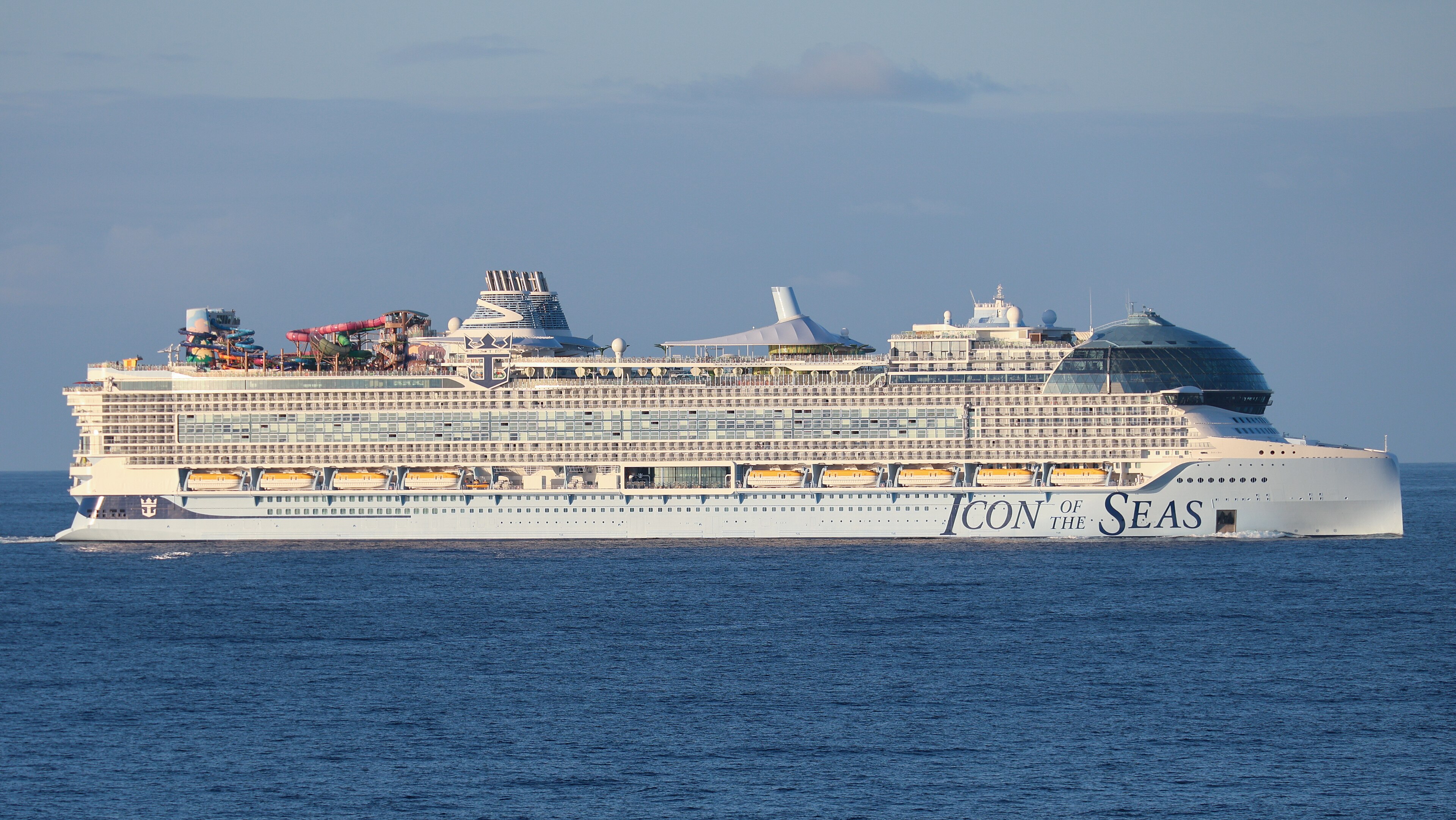
Three people have died following a suspected hantavirus outbreak aboard the MV Hondius, a cruise ship that was sailing from Argentina to Cape Verde across the Atlantic. One case has been confirmed through laboratory testing, while five additional suspected cases remain under investigation. The World Health Organization confirms that detailed investigations and further lab work are ongoing.
Hantavirus is a viral infection carried by rodents, spread primarily when humans inhale airborne particles from infected rodent droppings, urine, or saliva. Transmission through bites or scratches is rare but possible. The infection can trigger two distinct illnesses.
Hantavirus Pulmonary Syndrome (HPS) begins with fatigue, fever, and muscle aches, progressing to headaches, dizziness, chills, and abdominal pain. When respiratory symptoms develop, the mortality rate reaches approximately 38 percent. The second strain, Haemorrhagic Fever with Renal Syndrome (HFRS), is more severe and damages kidney function. Advanced symptoms include dangerously low blood pressure, internal bleeding, and acute kidney failure.
Globally, an estimated 150,000 HFRS cases occur annually, concentrated in Europe and Asia with over half occurring in China. The US has documented 890 hantavirus cases between 1993 and 2023. Seoul virus, transmitted by Norway rats, exists worldwide including throughout North America.
No specific cure exists for hantavirus infection. Treatment relies on supportive care: oxygen therapy, mechanical ventilation, antiviral medications, and dialysis for severe cases. Critically ill patients require intensive care hospitalization, sometimes including intubation.
Prevention involves eliminating rodent contact and sealing entry points in basements and attics. Protective equipment should be worn when handling rodent droppings to prevent inhalation of contaminated particles.
Recent cases highlight the danger. In February 2025, Betsy Arakawa, wife of actor Gene Hackman, died from HPS-related respiratory illness. Investigators discovered rodent nests and dead rodents in outbuildings near her home, indicating exposure occurred there.
← Back to home



Comments
Loading comments…
Leave a comment
Your name and masked IP address will be publicly visible.