Mel Gibson's Jesus Film Casting Sparks Debate Over Historical Accuracy
Director Mel Gibson's casting choices for a Jesus film have reignited longstanding arguments about the historical ethnicity and appearance of first-century Levantine figures.
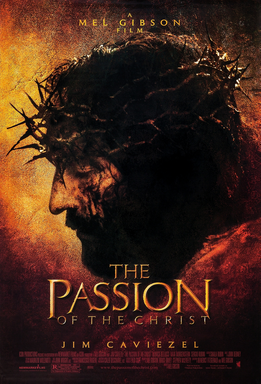
Director and actor Mel Gibson’s casting decisions for a Jesus film have triggered intense debate over historical accuracy and the ethnic makeup of ancient Judea.
The controversy centers on Gibson’s choice to cast an actor whose appearance diverges from contemporary scholarly consensus about the likely phenotype of first-century Levantine populations. Critics argue the casting reflects a revisionist approach to biblical history, while defenders contend that ancient populations in the region were far more ethnically diverse than modern assumptions allow.
Historical and genetic evidence presents a complex picture. Ancient DNA samples from the Levant suggest significant continuity between Bronze Age and classical period populations, with Mediterranean and Middle Eastern genetic signatures predominating. However, the region’s role as a crossroads of human migration means historical populations likely displayed considerable variation.
Some observers point to ancient written accounts and artistic depictions as evidence of phenotypic diversity. Historical texts attributed to Roman officials describe Jesus with light hair and complexion, though scholars debate the authenticity and reliability of these late sources. Conversely, contemporary iconography from early Christian mosaics and paintings, created centuries after Jesus’ lifetime, varies widely in their depictions.
The debate has exposed deeper disagreements about historical methodology. One view emphasizes that ancient Levantine populations, while genetically continuous with modern Arab and Jewish populations, likely displayed the phenotypic range typical of Mediterranean regions. Another perspective argues for greater diversity based on documented migrations and the region’s historical role as a cultural intersection.
Genetic research on ancient skeletal remains from Israel and the broader Levant has become central to these arguments, though interpreting ancestral connections between ancient and modern populations remains contested among scholars.
Gibson’s film project sits at the intersection of artistic interpretation and historical representation. The casting dispute reflects broader questions about authenticity in religious cinema and whether casting decisions constitute legitimate artistic choice or constitute revision of documented history.
← Back to home




Comments
Loading comments…
Leave a comment
Your name and masked IP address will be publicly visible.