Naval Blockades: History's Blunt Instrument of Coercion
From Gaza to the Cuban Missile Crisis, naval blockades have repeatedly reshaped conflicts by cutting off supplies without requiring ground invasion.
Naval blockades represent warfare’s laziest option: park some ships, wait for your enemy to starve, declare victory. Yet this ancient tactic has repeatedly altered the course of modern history, reshaping economies and killing populations with the mere act of control over sea routes.
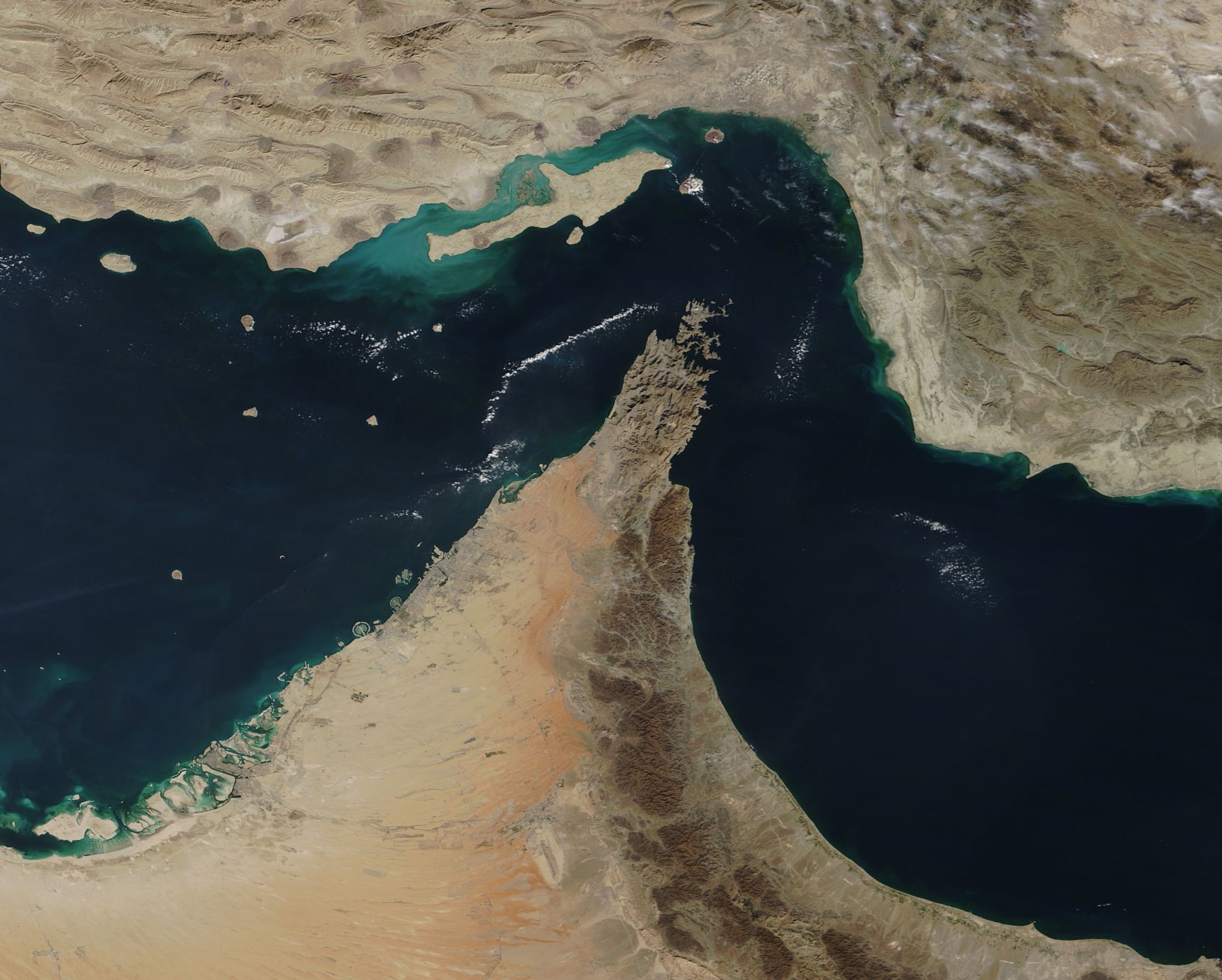
The Strait of Hormuz sits at the center of current tensions, where competing US and Iranian blockades have effectively shut down a waterway that once carried roughly a fifth of the world’s oil and gas supply. But the strait is merely the latest example in a long catalog of maritime sieges that range from the brutal to the strategically disappointing.
Israel’s blockade of Gaza, imposed in 2007 and intensified since October 2023, ranks among history’s longest sieges. The complete land, sea and air embargo of 2.3 million people created a humanitarian catastrophe, with fishing restrictions dropping from 20 nautical miles to as little as 6 nautical miles from shore. Freedom Flotilla vessels have repeatedly attempted breaches since 2008, with Israeli forces intercepting or attacking every effort since 2010, including a raid on 22 of 58 ships last month in international waters over 600 miles away.
The Nigerian Civil War’s blockade of Biafra (1967-70) demonstrated the devastating human cost. The secessionist region faced starvation as a deliberate strategy, resulting in an estimated one to two million deaths, mostly from hunger rather than actual combat. The nearly three-year siege ended only with Biafran surrender.
Not all blockades succeeded equally. Britain’s Beira Patrol (1966-75) against Rhodesia consumed 76 naval ships over nine years while fundamentally failing its mission. Rhodesia simply obtained oil through South Africa and unauthorized ports, leaving only the astronomical cost to show for London’s effort.
The Cuban Missile Crisis demonstrated blockade as negotiating tool. The US imposed a 500-nautical-mile “quarantine” around Cuba in October 1962, deliberately avoiding the term “blockade” to sidestep war declarations. Thirteen tense days followed before Soviet First Secretary Nikita Khrushchev agreed to dismantle missile sites.
During the Korean War, the US blockade of Wonsan lasted 861 days, constraining North Korean forces and forcing troop diversions. Japan’s vulnerability to American submarine blockades (1942-45) proved catastrophic for an island nation entirely dependent on imported oil, rubber and raw materials.
Blockades remain effective precisely because they require nothing more than patience and control. No soldiers storm beaches, no territory changes hands immediately. Just supplies disappear, economies crumble, and populations suffer until someone surrenders.
← Back to home
Comments
Loading comments…
Leave a comment
Your name and masked IP address will be publicly visible.