Hantavirus: What You Actually Need to Know
Hantavirus is a rare but serious infection spread primarily through contact with infected rodent droppings, urine, or saliva.
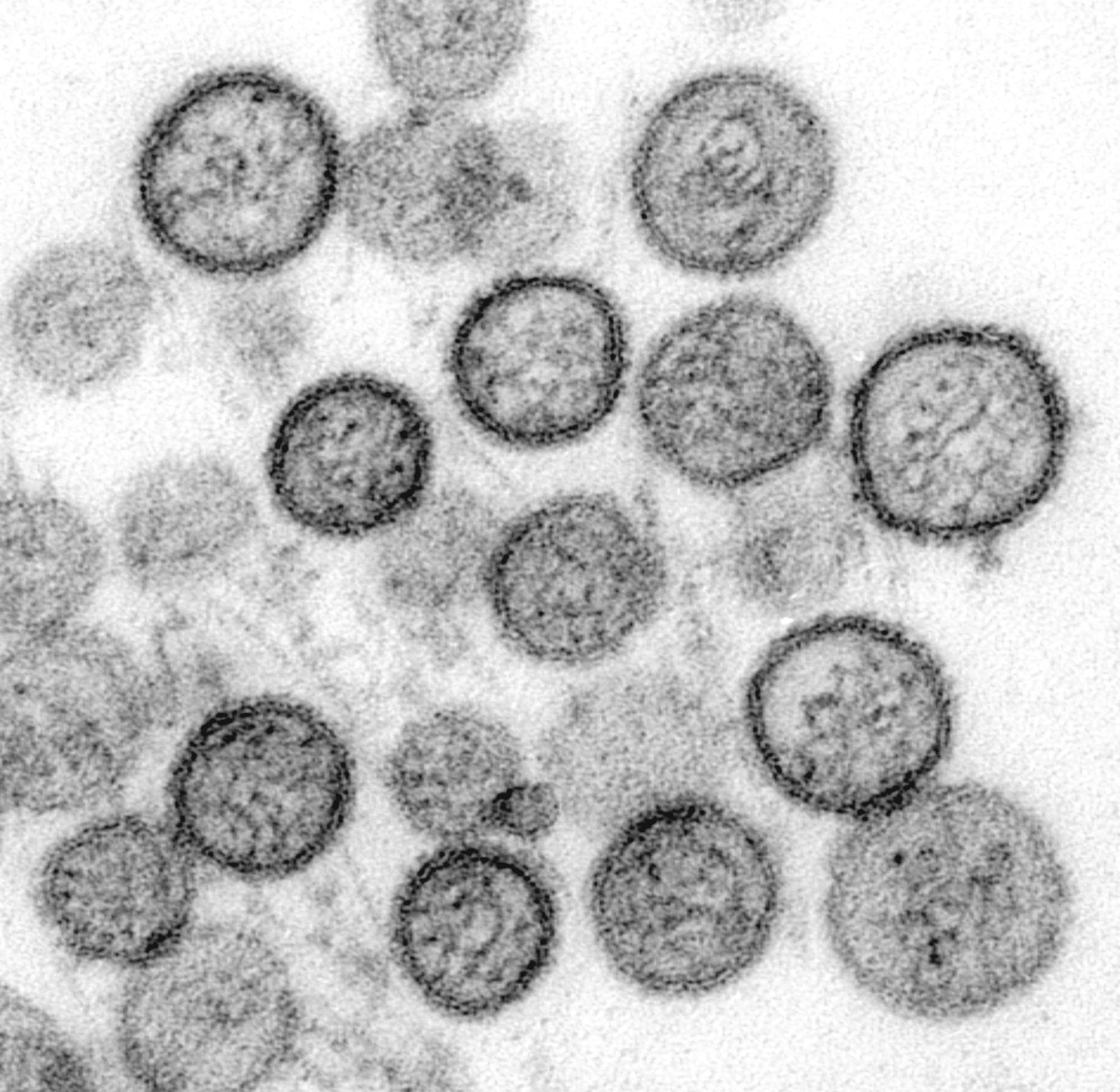
Hantavirus sits in that uncomfortable zone between “heard of it” and “what the hell is it anyway.” Time for a primer.
The virus itself circulates in rodent populations, particularly deer mice, white-footed mice, and cotton rats depending on your geographic location. Humans don’t catch it from each other in any meaningful way. Instead, infection happens when you breathe in aerosolized particles from infected rodent urine, droppings, or saliva. Sometimes direct contact with contaminated material works too, though inhalation remains the primary culprit.
The mechanism is straightforward if unpleasant: rodents shed virus into their waste. When that material dries out and gets disturbed, it becomes airborne. You breathe it in. The virus settles into your lungs and takes hold.
Early symptoms mimic common illnesses - fever, muscle aches, fatigue, headaches. Standard malaise that could mean anything. Within a week or so, things get worse. Shortness of breath emerges. Cough develops. If you reach this stage, you’re dealing with hantavirus pulmonary syndrome, which carries a mortality rate around 38 percent even with treatment. Not great odds.
A separate variety called hemorrhagic fever with renal syndrome causes kidney problems rather than pulmonary issues, though it’s rarer in North America.
There’s no specific cure. Treatment focuses on supportive care: oxygen, mechanical ventilation if needed, managing fluid balance. Getting to a hospital quickly improves survival chances considerably.
Prevention works through basic rodent management. Seal cracks in your home’s exterior. Store food in airtight containers. Use traps instead of poison. When cleaning areas with potential rodent contamination, wear gloves and respiratory protection rather than stirring up dust by sweeping.
Hantavirus remains uncommon. Dozens of cases occur annually in the United States rather than thousands. But it’s exactly the kind of pathogen that rewards caution, since the stakes prove rather high once you’re infected.
← Back to home




Comments
Loading comments…
Leave a comment
Your name and masked IP address will be publicly visible.