The Pacific's Plastic Nightmare Masks an Even Darker Truth
The Great Pacific Garbage Patch represents only the visible tip of a sprawling ocean pollution crisis that extends far beyond what scientists initially understood.
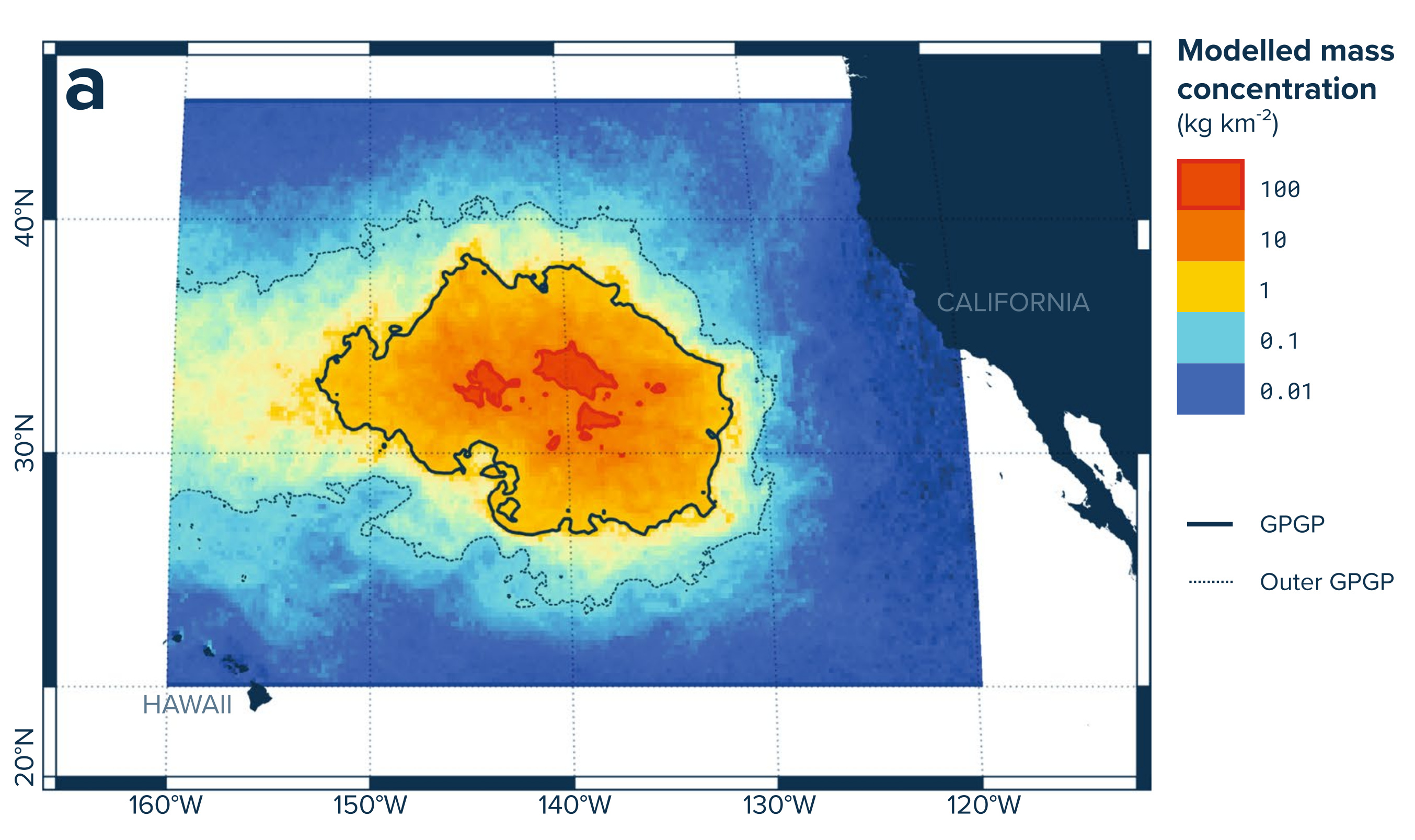
The Great Pacific Garbage Patch has become shorthand for humanity’s disposable culture gone wrong. Swirling somewhere between Hawaii and California, this massive accumulation of microplastics and debris serves as a convenient visual metaphor for marine pollution. Problem is, it might be distracting us from something worse.
Researchers studying the patch have begun to suspect that what we see - or rather, what we can theoretically see if we squint hard enough - represents only a fraction of the plastic contaminating the ocean. The patch itself isn’t exactly a cohesive island of garbage floating on the surface. Instead, it’s a diffuse collection of microplastics suspended throughout the water column, making it simultaneously massive and nearly invisible.
The real concern involves plastic that sinks. Scientists increasingly believe that substantial quantities of ocean plastic have settled on the seafloor, creating an accumulation layer that nobody can easily measure or monitor. Unlike the patch, which gets media attention and inspires cleanup initiatives, this submerged plastic remains largely out of sight and out of policy discussions.
Then there’s the problem of plastic fragmentation. Each wave, each UV ray from the sun, each hungry fish works to break down larger debris into smaller pieces. Microplastics now infiltrate the entire marine food chain, from zooplankton to whales to the seafood humans consume. The long-term effects remain poorly understood, partly because we’re still struggling to track where all the plastic actually is.
Estimates suggest that tens of millions of tons of plastic enter the ocean annually, yet only a small percentage ever ends up in the famous garbage patch. The rest? It disperses, degrades, sinks, and accumulates in ways we’re only beginning to comprehend.
This visibility problem creates a policy crisis. The Great Pacific Garbage Patch has generated cleanup proposals and international concern. The hidden plastic crisis has generated considerably less attention, despite potentially causing greater long-term damage to ocean ecosystems and human health. Sometimes the most dangerous problems are the ones we can’t actually see.
← Back to home


Comments
Loading comments…
Leave a comment
Your name and masked IP address will be publicly visible.