US Fertilizer Costs Surge as Farmers Report Sharp Affordability Crisis
A survey finds 70% of American farmers cannot afford adequate fertilizer supplies as prices climb, raising concerns about crop yields and food security.
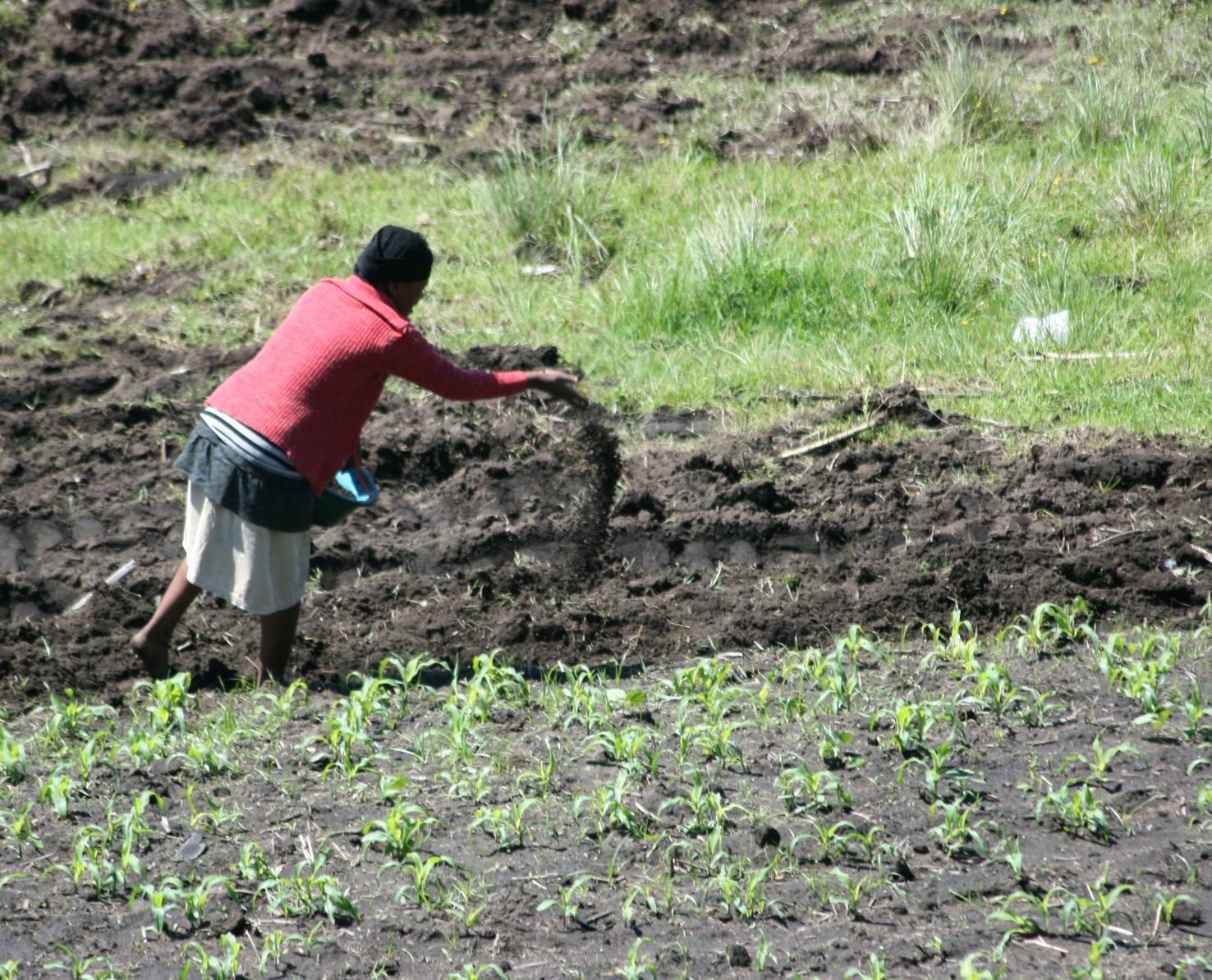
A significant portion of American farmers are struggling to secure fertilizer supplies as costs continue to rise, according to a survey by the American Farm Bureau Federation.
The survey found that approximately 70% of US farmers cannot afford all the fertilizer they need for current operations. Industry analysts report that fertilizer prices have increased by at least 5% recently, though some regional markets have seen far steeper increases. In parts of South America, prices have reportedly nearly doubled.
Fertilizer availability and affordability represent a persistent challenge for agricultural operations, which already operate on thin margins. Farming is capital-intensive, with many operations carrying significant debt loads. Rising input costs directly impact profitability and crop-planting decisions.
The situation extends beyond American borders. Fertilizer stock levels remain lower than pre-crisis levels in multiple countries, limiting supply even where prices have stabilized somewhat. The constraints are expected to have cascading effects on global food production.
Geopolitical factors have contributed to market volatility. Tensions in the Middle East and related shipping disruptions have affected energy prices, which drive fertilizer production and transportation costs. Some observers noted that major oil-producing regions face operational uncertainty, compounding supply-chain pressures that originated months earlier.
Weather patterns add another layer of risk. A strong El Niño event is forecast to develop by mid-2026, which historical data suggests could depress US corn yields. Previous El Niño episodes in 1983, 1988, and 1995 coincided with crop yields more than 10% below trend.
Analysts tracking agricultural commodities point to wheat futures as a potential hedge against food-price inflation, though long-term viability remains uncertain given the interconnected nature of global supply chains. The convergence of higher input costs, geopolitical uncertainty, and climate factors has intensified concerns about food security and price volatility in coming months.
Farmers and agricultural organizations are monitoring policy responses and commodity prices closely as planting decisions approach.
← Back to home
More in Economics




Comments
Loading comments…
Leave a comment
Your name and masked IP address will be publicly visible.