Spirit Airlines Ceases Operations After Years of Financial Decline
The ultra-low-cost carrier, which struggled with debt, aircraft shortages, and failed merger attempts, officially shut down operations early Monday morning.
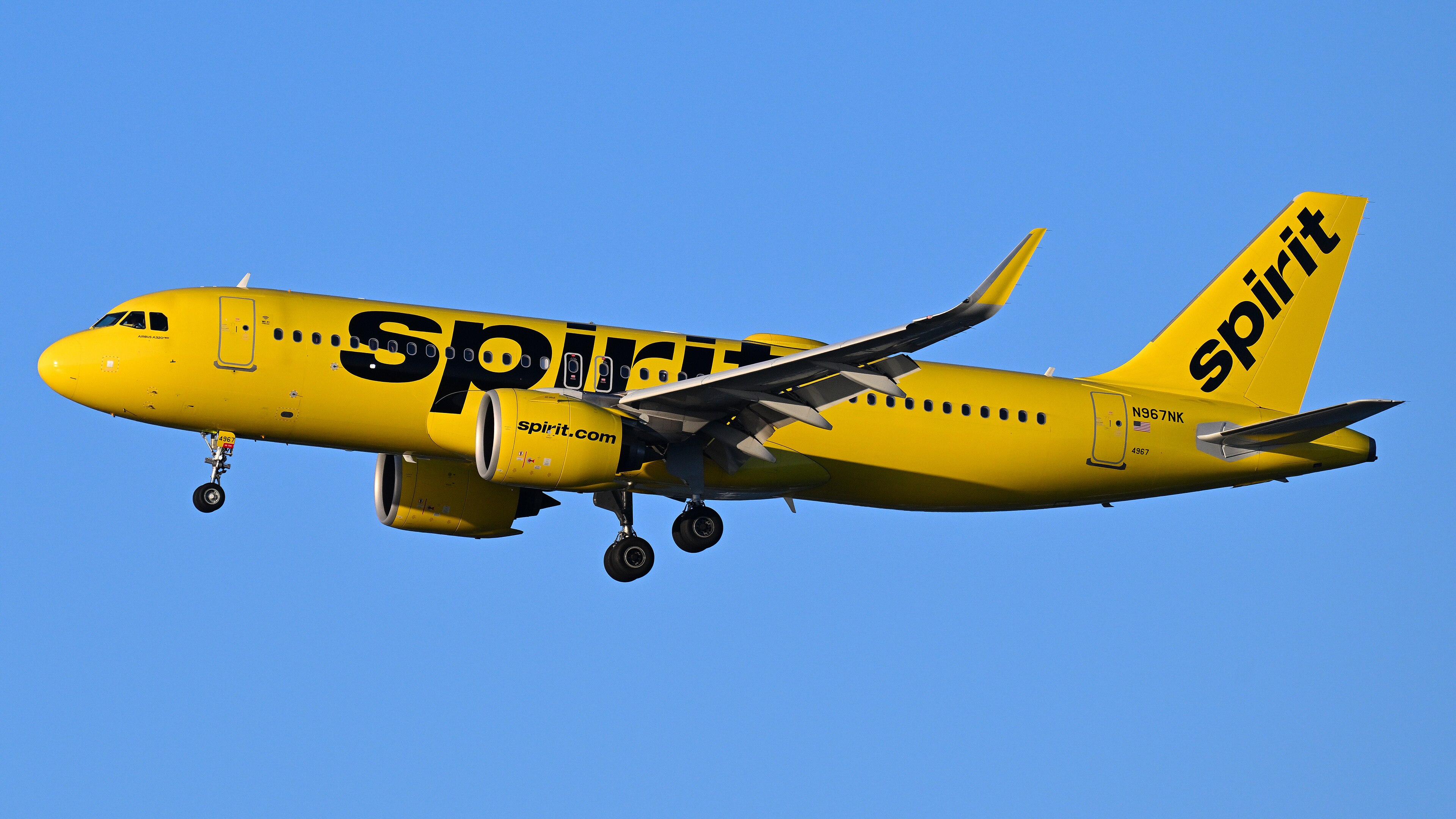
Spirit Airlines has officially ceased all operations effective 3:00 AM EST Monday, marking the end of a carrier that became synonymous with budget air travel but ultimately could not sustain its business model against mounting pressures.
The closure culminates years of financial deterioration. The Fort Lauderdale-based airline, which had declared bankruptcy multiple times in recent years, faced a perfect storm of challenges that proved insurmountable: post-pandemic debt accumulated from aircraft purchases it could not afford, grounding of Airbus A321-neo jets due to Pratt & Whitney engine issues, fuel cost volatility, and a blocked merger with JetBlue that might have offered a lifeline.
The JetBlue merger, which would have created a combined carrier representing roughly 8 percent of U.S. airline market share, was blocked by federal regulators in 2024. A subsequent bailout offer from the federal government, which would have required ceding a 90 percent stake to the U.S. government, was rejected by shareholders. Frontier Airlines had also attempted to acquire Spirit’s assets in a separate deal, but those negotiations also collapsed.
Spirit built its reputation on rock-bottom fares, particularly attractive to price-sensitive travelers willing to forgo amenities. At its best, the airline offered round-trip flights for $100 or less for passengers traveling with only carry-on luggage. However, this strategy relied on consistent consumer demand for bare-bones air travel, a preference that shifted after the pandemic as travelers increasingly prioritized comfort and were willing to pay premiums for it.
Former Spirit employees paint a mixed picture: ground and flight crews were generally regarded as professional and committed, while management was characterized as dysfunctional and dismissive of workers.
The collapse leaves Spirit’s remaining loyalty points holders largely without recourse, though the airline’s liquidation documents outline some redemption processes. Industry observers expect legacy carriers like United, Delta, and American Airlines to acquire Spirit’s aircraft fleet, helping address broader aircraft shortages stemming from Boeing’s production delays. Smaller carriers like Frontier, Allegiant, Sun Country, and Breeze Airways are likely to absorb some of Spirit’s former customer base.
The shutdown also raises questions about ground transportation alternatives. Amtrak and regional rail services may see increased demand for routes previously served by Spirit, particularly in Florida.
← Back to home
More in Economics




Comments
Loading comments…
Leave a comment
Your name and masked IP address will be publicly visible.