Alaska's Nightmare Wave: 500-Meter Megatsunami Was Almost a Tourist Massacre
A mountain collapsed into the sea last summer, creating a wave the size of the Empire State Building. Only timing saved cruise ships full of people from catastrophe.
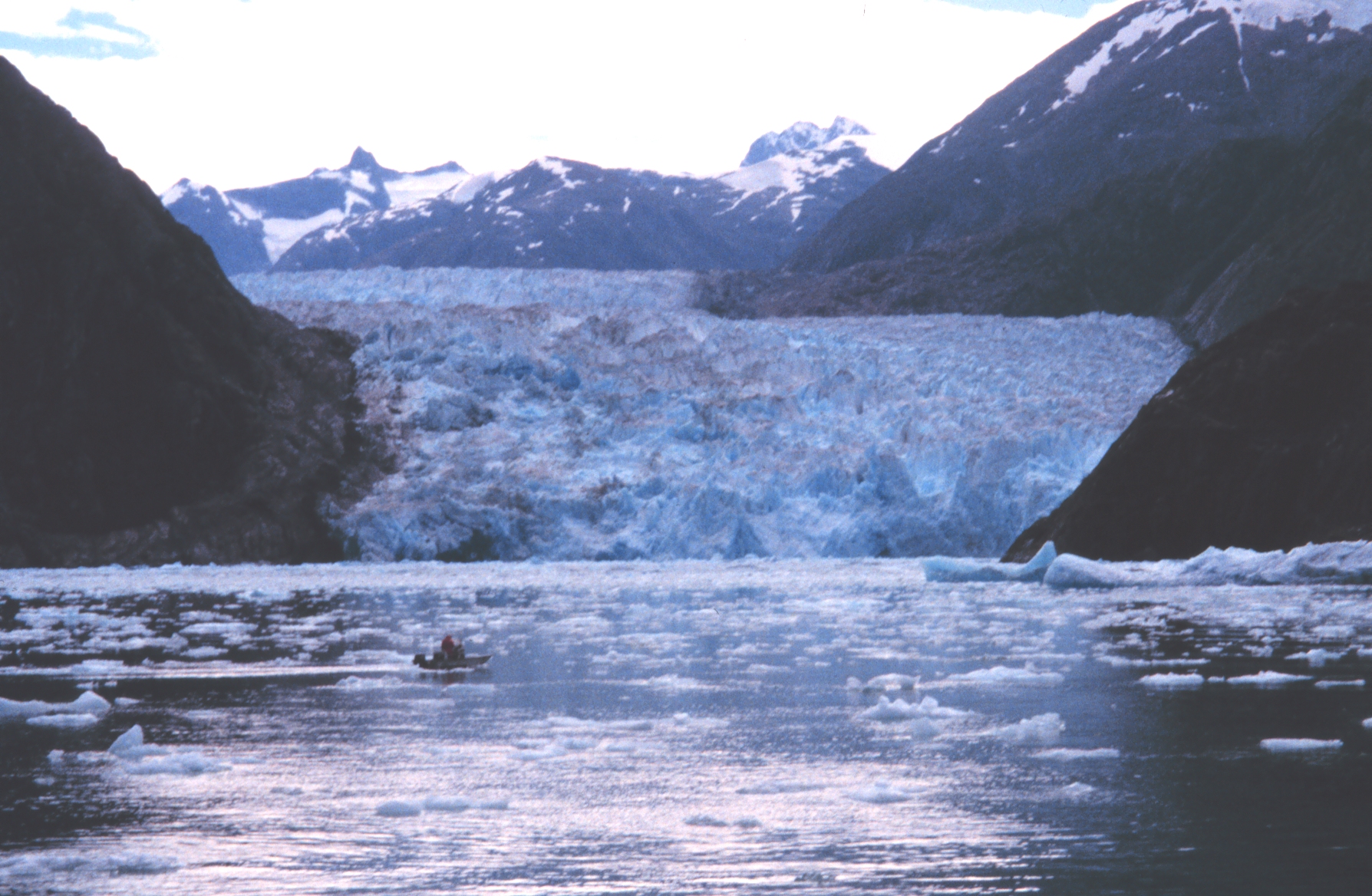
An Alaskan fjord became ground zero for one of Earth’s most terrifying natural disasters last summer, and almost nobody noticed until now.
In August 2025, a chunk of mountainside the size of 24 Great Pyramids crashed into Tracy Arm Fjord in Southeast Alaska. Sixty-four million cubic meters of rock smashed into the water in under 60 seconds, triggering something nightmarish: a megatsunami that climbed nearly 500 meters into the air.
For context, that’s taller than the Great Pyramid of Giza. That’s tall enough to swallow a skyscraper.
Here’s the terrifying part: tourist cruise ships had been visiting Tracy Arm just hours before. If the landslide had happened during daylight, those vessels would’ve been obliterated.
“We know that there were people that were very nearly in the wrong place,” said Dr. Bretwood Higman, the geologist who investigated the devastation firsthand. “I’m quite terrified that we’re not going to be so lucky in the future.”
Geologists have now ranked this megatsunami as the second-largest ever recorded on Earth. Only the 1958 Lityua Bay tsunami in Alaska itself towers higher, at over 500 meters. This newest monster was just barely smaller.
What caused it? Melting glaciers. Climate change is accelerating, and that means glaciers holding back mountainsides are vanishing. Without ice acting as a structural anchor, unstable rock faces are collapsing with terrifying regularity.
Research published in Science reveals the domino effect: glacier retreat exposed the base of a cliff face at Tracy Arm. The ice was literally holding the rock in place. Once it melted away, the entire mountainside came crashing down.
Dr. Stephen Hicks from University College London warns that the threat is exploding. “More people are going to remote areas,” he says. “They’re visiting these places to see climate change firsthand, but they’re also walking into danger zones.”
Dr. Higman’s assessment is grim: megatsunamis in Alaska aren’t just increasing slightly. They’re skyrocketing. “Maybe in the order of 10 times as frequent as they were just a few decades ago,” he declared.
Alaska is uniquely vulnerable because of its steep mountains, narrow fjords, and constant seismic activity. Scientists are demanding wider monitoring systems to track hazard zones. Some cruise companies have already yanked operations from Tracy Arm, acknowledging the danger is real.
The question haunting researchers now: when will the next one strike, and will we get lucky again?
← Back to home



Comments
Loading comments…
Leave a comment
Your name and masked IP address will be publicly visible.