Weekly Shonen Jump Editor Reveals How Manga Get Serialized and Canceled
A veteran editor-in-chief has disclosed the inner workings of one of Japan's most influential manga publications, including how editorial decisions are made and why some series survive while others fold.
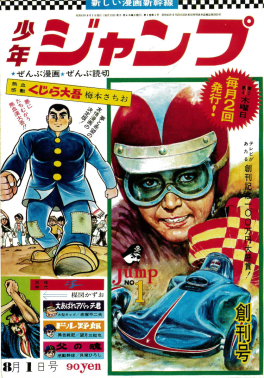
An editor-in-chief at Weekly Shonen Jump has provided rare insight into the publication’s editorial decision-making process, dispelling myths popularized by the manga Bakuman while confirming others.
The editor revealed that the manuscript submission process is grueling: the department receives up to 30 submissions per day from both new and established creators. Despite this volume, originality remains a critical concern. The editor expressed worry about recent submissions overly influenced by successful series like BEASTARS, noting that audiences will favor original works over derivatives.
Contrary to popular belief, reader surveys are not the sole determinant of a series’ fate. While surveys provide valuable feedback, editorial decisions combine multiple factors: survey results, sales figures, and target demographic data. Series like Chainsaw Man ranked low in surveys yet remained serialized due to strong volume sales, while Jimoto ga Japan continued partly because it targets younger readers.
The magazine’s covers are planned roughly two months in advance, with deputy editors-in-chief responsible for determining pay rates and table-of-contents order. Series perceived as misaligned with the magazine’s brand identity, such as Neuro, are often positioned lower than survey rankings would suggest, particularly after merchandise development ends.
The editor also addressed a significant shift in editorial philosophy. Historically, the department resisted authors’ wishes to conclude successful series, attempting to prolong serializations indefinitely. However, allowing Assassination Classroom a planned ending resulted in a stronger legacy and enduring success, prompting reconsideration of this approach.
Nakano also acknowledged concerns over originality among newer creators, particularly following the success of BEASTARS. He warned that imitation limits creative diversity. To address this, Jump is refining its editorial strategy to encourage submissions from international creators.
Regarding series placement decisions, the editor clarified that while editorial staff members compete intensely and occasionally express rivalry, decisions on cancellations and continuations are made collectively. Even when the editor-in-chief changes, content remains largely consistent because the position lacks unilateral authority to overhaul the magazine entirely.
The editor also reflected on past decisions with some regret. BEASTARS, initially rejected due to rough artwork, was serialized in Weekly Shonen Champion instead, where it became a major hit. The editor acknowledged this now ranks among his missed opportunities.
← Back to home
Comments
Loading comments…
Leave a comment
Your name and masked IP address will be publicly visible.