Fire Emblem: Three Houses' Rhea character sparks debate over morality and leadership
Years after its release, the tactical RPG continues dividing players over whether the church leader bears responsibility for Fodlan's conflicts.
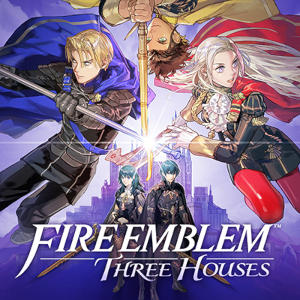
Fire Emblem: Three Houses remains a lightning rod for disagreement about its characters’ moral culpability, particularly regarding Rhea, the powerful archbishop who rules the Church of Seiros.
The debate centers on a core tension: Rhea spent centuries rebuilding Fodlan after a catastrophic conflict, yet her leadership involved significant compromises that allegedly perpetuated suffering. A recurring criticism involves her handling of the Tragedy of Duscur, a pivotal event that destabilized the Kingdom of Faerghus. According to accounts of the game’s lore, Rhea allegedly allowed false accusations to stand despite knowing the truth. When civil war threatened, she reportedly chose stability over justice, permitting a scapegoat to be imprisoned for crimes he didn’t commit. This decision allegedly created lasting resentment among the kingdom’s nobility.
Another complication emerges from Rhea’s founding lie: the Church of Seiros teaches that nobility based on Crest bloodlines is wrong, yet the church never actively challenged the noble system across the continent. Some observers argue this hypocrisy allowed the very power structures the church theoretically opposed to flourish unchecked.
The underground threat known as the Agarthans, ancient enemies Rhea believed she had eliminated, allegedly manipulated Fodlan’s major powers throughout her entire reign without her knowledge. This intelligence failure contributed to the game’s central conflicts. When Rhea finally learned of their survival, her mental state reportedly deteriorated significantly.
However, defenders point out that Rhea operated under extraordinary constraints. She carried psychological trauma from genocide and spent millennia isolated, lacking guidance on how to govern fairly. The game presents her as trying to prevent catastrophe with incomplete information and no training in leadership.
The game’s multiple routes offer different perspectives on these questions. In the Church route, Rhea becomes increasingly unstable, eventually transforming into a monster as she loses her grip on sanity. In other playthroughs, players can ally with Edelgard, whose regime opposes the church but pursues its own controversial goals.
The core disagreement reflects deeper questions about whether good intentions with flawed execution deserve moral consideration, or whether the consequences of one’s choices define culpability. Three Houses deliberately avoids presenting any leader as purely right or wrong.
← Back to home
More in Video Games




Comments
Loading comments…
Leave a comment
Your name and masked IP address will be publicly visible.