Trump's Hormuz shipping plan leaves strategists baffled
The incoming administration floats a vague strategy to escort vessels through the Strait of Hormuz, but details remain scarce.

Donald Trump’s incoming administration has unveiled plans to “guide” merchant ships through the Strait of Hormuz, one of the world’s most critical shipping lanes. The announcement, light on specifics, has left military analysts and maritime experts scrambling to understand what the proposal actually entails.
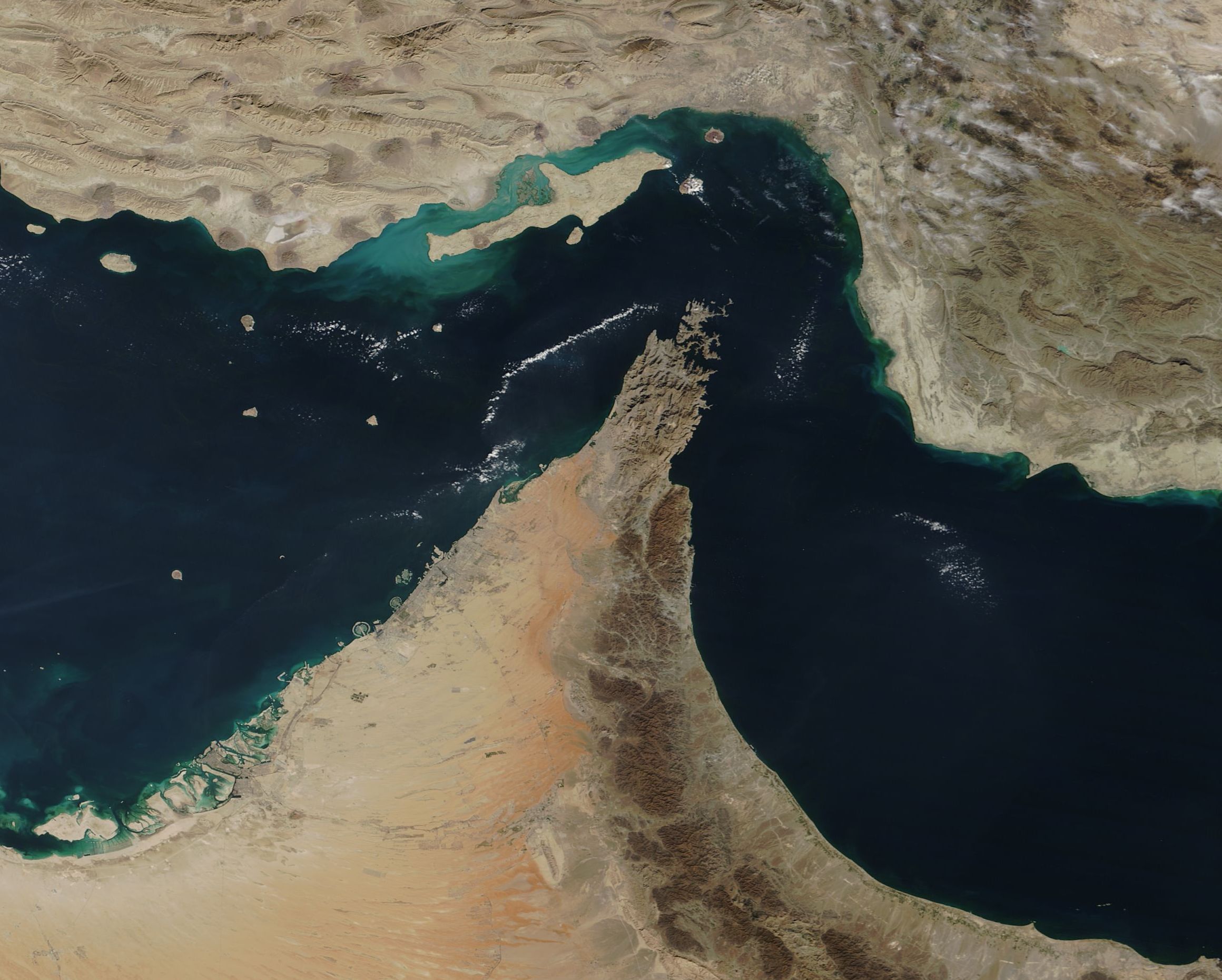
The Strait of Hormuz, wedged between Iran and Oman, handles roughly one-third of global seaborne oil trade. It’s also become increasingly tense, with Iranian vessels and allied forces regularly harassing commercial shipping and occasionally seizing tankers. The waterway has transformed into a flashpoint for regional conflict, particularly as US-Iran tensions simmer.
Trump’s team suggests a coordinated escort operation for merchant vessels traversing the narrow passage. The concept isn’t entirely novel - various navies have provided convoy protection in contested waters before. But the Trump administration has offered precious little about how this would work in practice, who would fund it, which nations would participate, or what legal framework would govern such operations.
The vagueness invites uncomfortable questions. Would this require the deployment of additional US naval assets? How would commercial shipping companies be persuaded to participate? Could such an operation inadvertently escalate tensions with Iran, which already views heightened US naval presence with suspicion? Would allied nations like Saudi Arabia and the UAE, both heavily dependent on Hormuz traffic, contribute ships or funding?
Military strategists note that sustained convoy operations demand significant resources and coordination. The logistics alone - fuel, crew rotation, maintenance - represent substantial commitments. Some observers worry the plan may prove politically appealing but operationally unrealistic.
The proposal also raises questions about Trump’s broader Middle East strategy. Previous administrations have attempted various approaches to Hormuz security, from bilateral deals to multilateral coalitions. Trump’s “guidance” concept suggests a return to unilateral American action, though partnership details remain murky.
For now, shipping companies, energy markets, and regional governments wait for clarification. Until the administration provides concrete details about scope, cost, and implementation, the plan remains more concept than policy.
← Back to home


Comments
Loading comments…
Leave a comment
Your name and masked IP address will be publicly visible.