Russian Su-57 stealth fighter reportedly destroyed in Ukraine strike
The advanced warplane, a cornerstone of Russia's air superiority strategy, is said to have been hit in a long-range drone attack, raising questions about the aircraft's vulnerability and Russia's ability to sustain losses.
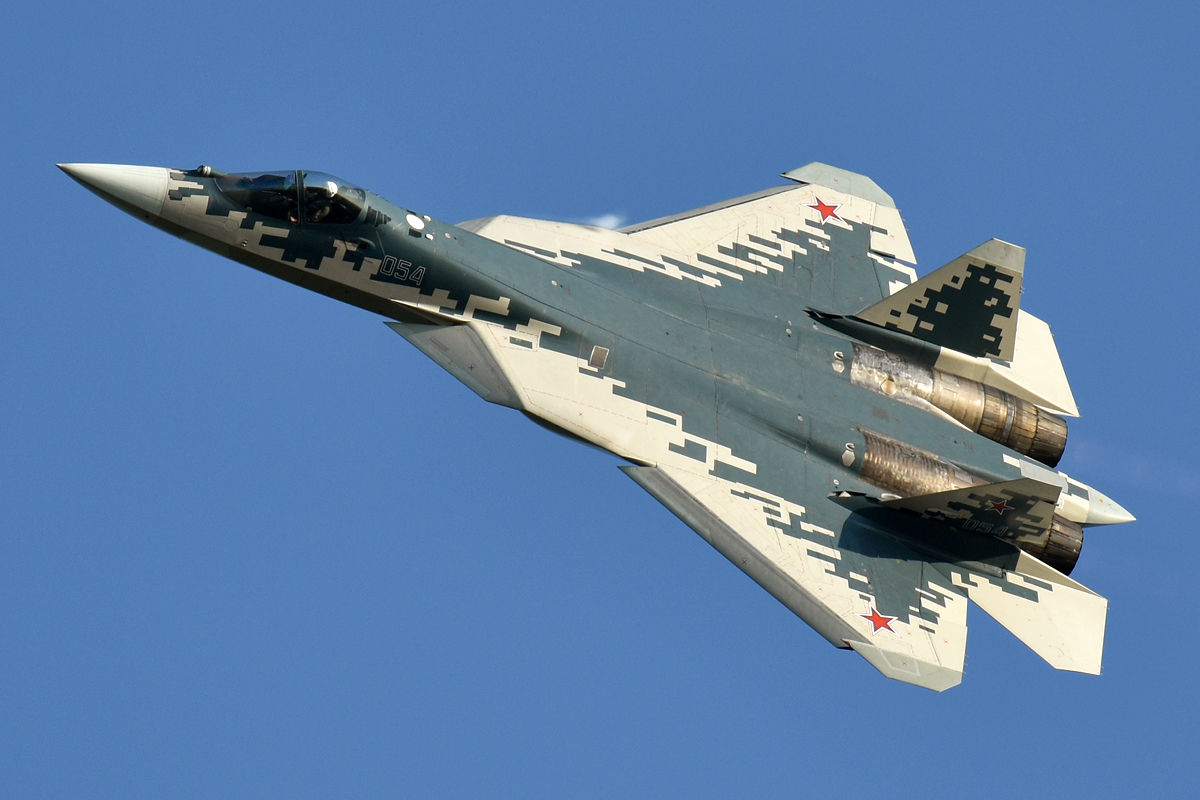
A Russian Su-57 stealth fighter has reportedly been destroyed in a strike attributed to Ukrainian forces, marking what observers say is a significant symbolic blow to Moscow’s air capabilities amid the ongoing conflict in Ukraine.
The Su-57, Russia’s most advanced fighter jet and a flagship of its military modernization efforts, is theoretically designed to evade detection and engage enemy aircraft at extended ranges. The reported loss underscores mounting operational pressures on Russian aviation, which has faced accelerating attrition rates since the war began nearly four years ago.
According to available assessments, Russian military aircraft are flying at substantially higher operational tempos than peacetime levels. Where Russian airframes typically log 200-350 flight hours annually, combat operations have pushed utilization rates to 500-800 hours per year. This accelerated pace is degrading airframes rated for only 3,000-5,000 total service hours before structural failure becomes likely.
The cumulative impact is severe. Russian Su-34 bombers manufactured in 2014 are already being retired and cannibalized for spare parts, a process driven by metal fatigue and structural damage accumulated through years of sustained combat operations. By comparison, American F-15 fighters of the same vintage are considered barely a quarter through their expected service lives.
Russia’s domestic aircraft production has not kept pace with losses. The country produces only a handful of new airframes monthly across its fleet types, while simultaneously losing aircraft to combat sorties, drone strikes on airbases, and progressive airframe failure. Intelligence estimates suggest 30-40 airframes per year are quietly scrapped due to fatigue damage, never appearing in official combat loss tallies.
The reported Su-57 strike comes as Ukrainian forces have demonstrated expanding capability to conduct precision strikes at considerable distances. The targeting of such a high-value, strategically important asset, if confirmed, would signal that Russian air assets lack adequate protection even at rear echelon locations.
These pressures are reshaping Russia’s military calculations. The accelerated wear on its air force limits future operational flexibility and will require years of recovery production after the war concludes, constraining Moscow’s broader strategic options in Europe for the foreseeable future.
← Back to home