Istanbul's transformation from Byzantine capital to Ottoman metropolis
Historians debate whether Constantinople reached its peak under Byzantine rule in the 500s or Ottoman rule centuries later, with rival claims about cultural continuity and economic decline.
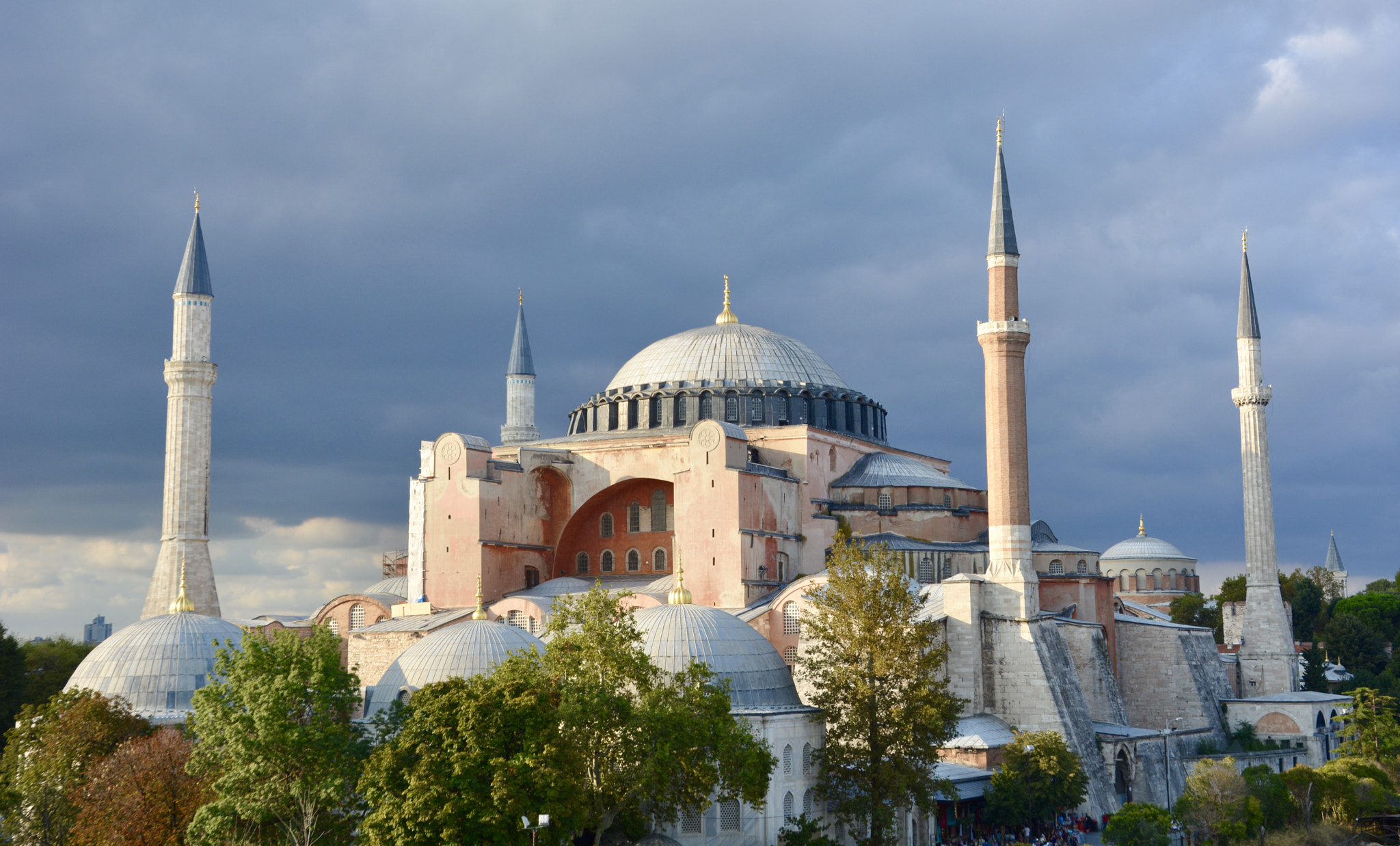
The history of Istanbul presents one of the world’s most contested narratives about cultural succession and urban prosperity, with scholars advancing competing claims about whether the city flourished under Byzantine or Ottoman rule.
Originally founded as Chrysopolis in the 7th century BC by Greek colonists from Megara, the settlement across the Bosporus from Byzantium served as a crucial harbor and staging post for armies and trade. When Constantine established Byzantium as the imperial capital, both Chrysopolis and Chalcedon became suburbs, though Chrysopolis remained vital throughout the Byzantine period as the staging point for all trade routes to Asia and military deployments.
The question of the city’s peak prosperity has generated significant debate. Some historical accounts place Constantinople’s zenith in the 500s to early 600s under Byzantine rule, when the empire controlled vast territories and commanded enormous wealth. Others argue the city actually reached its greatest height in the 1500s under Ottoman administration, when the population swelled dramatically. By 1914, Istanbul’s population had reached 1.125 million, a massive growth from the estimated 80,000 residents in the final Byzantine years.
The architectural legacy reflects both periods. Ottoman mosque design draws clear parallels to Byzantine church architecture, suggesting cultural continuity despite religious transformation. Urban development under Ottoman rule expanded far beyond the original walls, with areas like Uskudar and Taksim developing entirely outside the Roman-era city plan.
Economic historians present conflicting assessments of the transition’s impact on broader regional prosperity. Some argue Muslim-ruled empires that controlled the city brought significant advancement and integration into wider trading networks. Others contend that Ottoman expansion, while militarily successful, represented economic stagnation compared to what might have occurred under continued Byzantine governance.
The debate extends beyond Istanbul itself, touching on broader questions about how religious and political transitions affect urban centers and civilizations. Whether one views the Ottoman conquest as bringing renewal or decline often depends on which metrics matter most: military power, architectural achievement, population, trade volume, or intellectual output.
← Back to home