AI Investment Boom Divides Market Watchers on Economic Outlook
As artificial intelligence dominates investment discourse, observers clash over whether the sector represents genuine transformation or an unsustainable bubble headed for collapse.
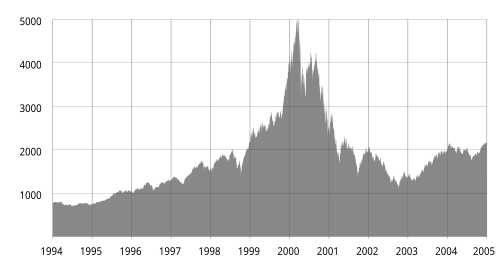
The artificial intelligence investment surge has sparked sharp disagreement among market participants about the health of the broader economy, with some viewing AI as a transformative force comparable to the industrial revolution while others warn of dangerous overvaluation.
The debate centers on competing theses: AI believers argue that rapid technological progress justifies current valuations and that missing the rally carries substantial opportunity cost. Skeptics counter that enthusiasm has outpaced fundamentals, particularly as companies face constraints in training data availability and power infrastructure capacity.
One recurring tension in market commentary involves the gap between being objectively correct about an asset’s value and profiting from it. As one observer noted, “You can be objectively right about a company being good or bad and still lose everything because the market doesn’t fucking care about your analysis.” This dynamic has led some sophisticated investors to abandon conviction-based strategies in favor of following market sentiment, however irrational.
A notable theme among participants is skepticism toward media figures offering doom-focused commentary. Critics argue that bears chronically overestimate collapse risk and cause listeners to miss substantial gains. One source pointed to historical precedent: “Why do so many people listen to these doom porn posters that are always wrong and let them convince them to miss out on huge wins?”
Paradoxically, some high-intelligence investors report that overthinking markets has proven counterproductive. Several accounts describe trading success after adopting simpler, less leveraged strategies focused on commodities and diversified indices rather than attempting to time or pick individual winners.
On cryptocurrency specifically, consensus tilts bearish among mainstream finance commentators, with most either dismissing crypto entirely or endorsing only Bitcoin and Ethereum. This skepticism extends to most altcoins, which observers characterize as utility-less or outright fraudulent.
The underlying question animating much of this discussion remains unresolved: whether current asset prices reflect genuine productivity gains from AI deployment or represent speculative excess vulnerable to rapid correction. Until that clarity emerges, the tension between trend-following and conviction-based investing will likely persist.
← Back to home