Sports Cars and Retirement Dreams: A Generational Divide Over Wealth and Time
A debate over luxury vehicles reveals competing financial philosophies: pursue high-risk investments for early wealth, or accept delayed gratification through traditional retirement planning.
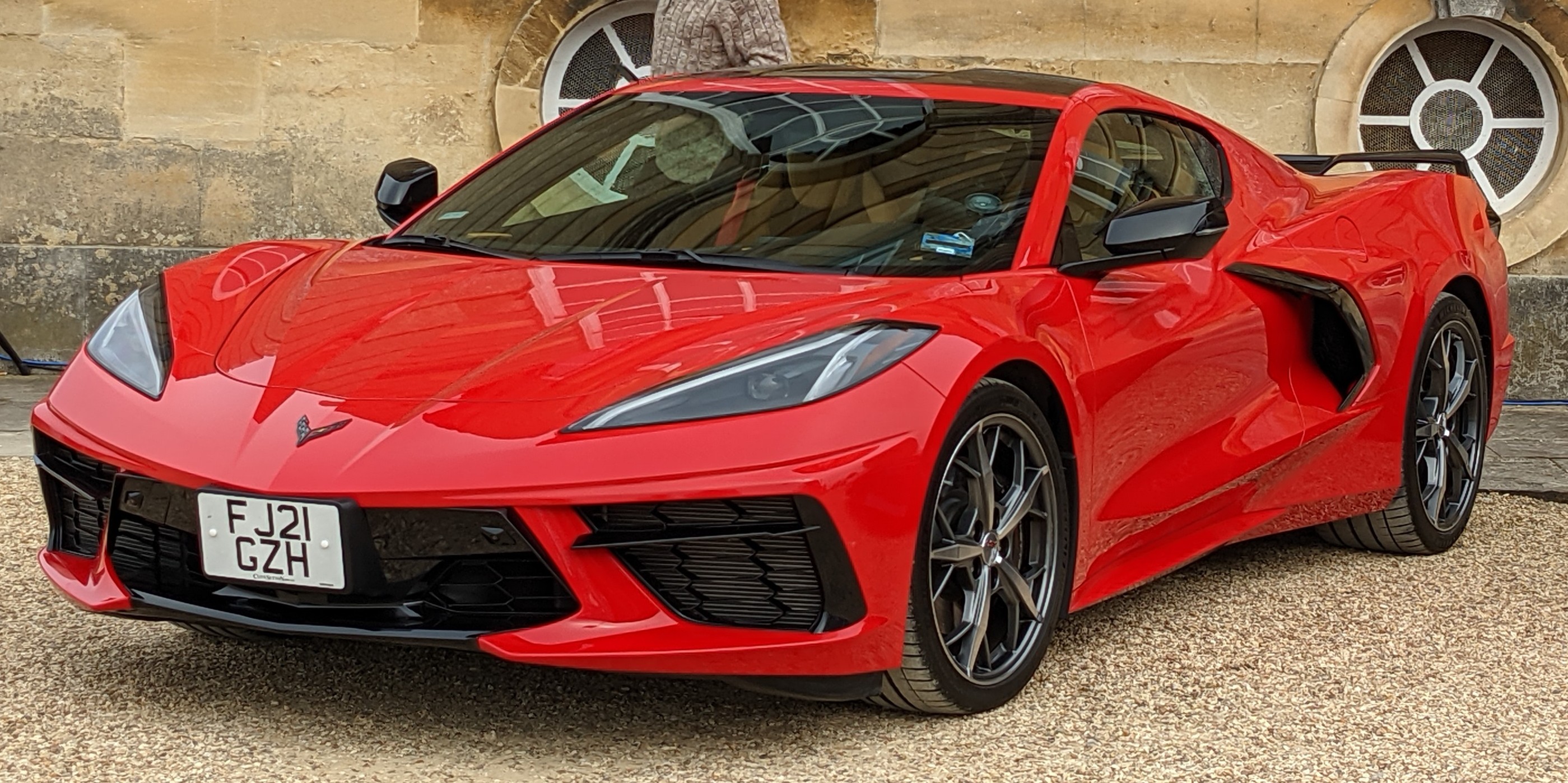
The fantasy of owning a high-performance sports car, particularly a Corvette, has sparked a broader conversation about wealth accumulation, lifestyle priorities, and the opportunity cost of different financial strategies.
The tension centers on a fundamental question: Is it better to chase aggressive investment returns in youth, or to build wealth steadily through conventional means and enjoy it later in life? One perspective argues that waiting decades to afford a dream car amounts to settling for diminished years to enjoy it. “If you’re not investing everything into cryptocurrency right now to potentially make it in 10 years while you still have some youth left, it’s over for you,” according to one account familiar with the discussion.
Counters to this argument emphasize practical accessibility. Used Corvettes are available in the $40,000 range, making them attainable without lottery-ticket financial bets. Some observers pointed out that newer vehicles have declined in quality since the semiconductor shortage, questioning whether chasing the latest models makes sense at all. Others noted that automotive appeal is subjective and location-dependent; in cities saturated with exotic cars, a sports car generates far less attention than commonly assumed.
Reliability concerns surfaced regarding specific models. The Corvette C8, while visually striking, drew criticism for its automatic transmission-only configuration. Some cited mechanical issues with certain powertrains, with one source noting that serious track enthusiasts sometimes swap engines for better durability.
Beyond the cars themselves, respondents revealed fragmented attitudes toward wealth and status. One observer stated flatly, “Literally no one cares because you’ll always and forever be (you) no matter how rich you are.” Others emphasized that driving an expensive car while working a day job reads as performative rather than genuinely successful. A handful rejected the entire premise, expressing indifference to vehicle ownership altogether or prioritizing savings and alternative uses of capital.
The discussion also touched on the psychology of deferred gratification. Multiple accounts suggested that the appeal of youth-driven wealth enjoyment stems from genuine lifestyle benefits, not merely showing off. Whether that’s realistic or aspirational remains contested among those weighing retirement planning against high-risk speculation.
← Back to home