Navy Awards $282.9 Million Frigate Contract to Huntington Ingalls
The U.S. Navy has selected Huntington Ingalls Shipbuilding to build the FFX frigate, marking a return to traditional frigate design after years of costly experimentation with smaller combat ships.
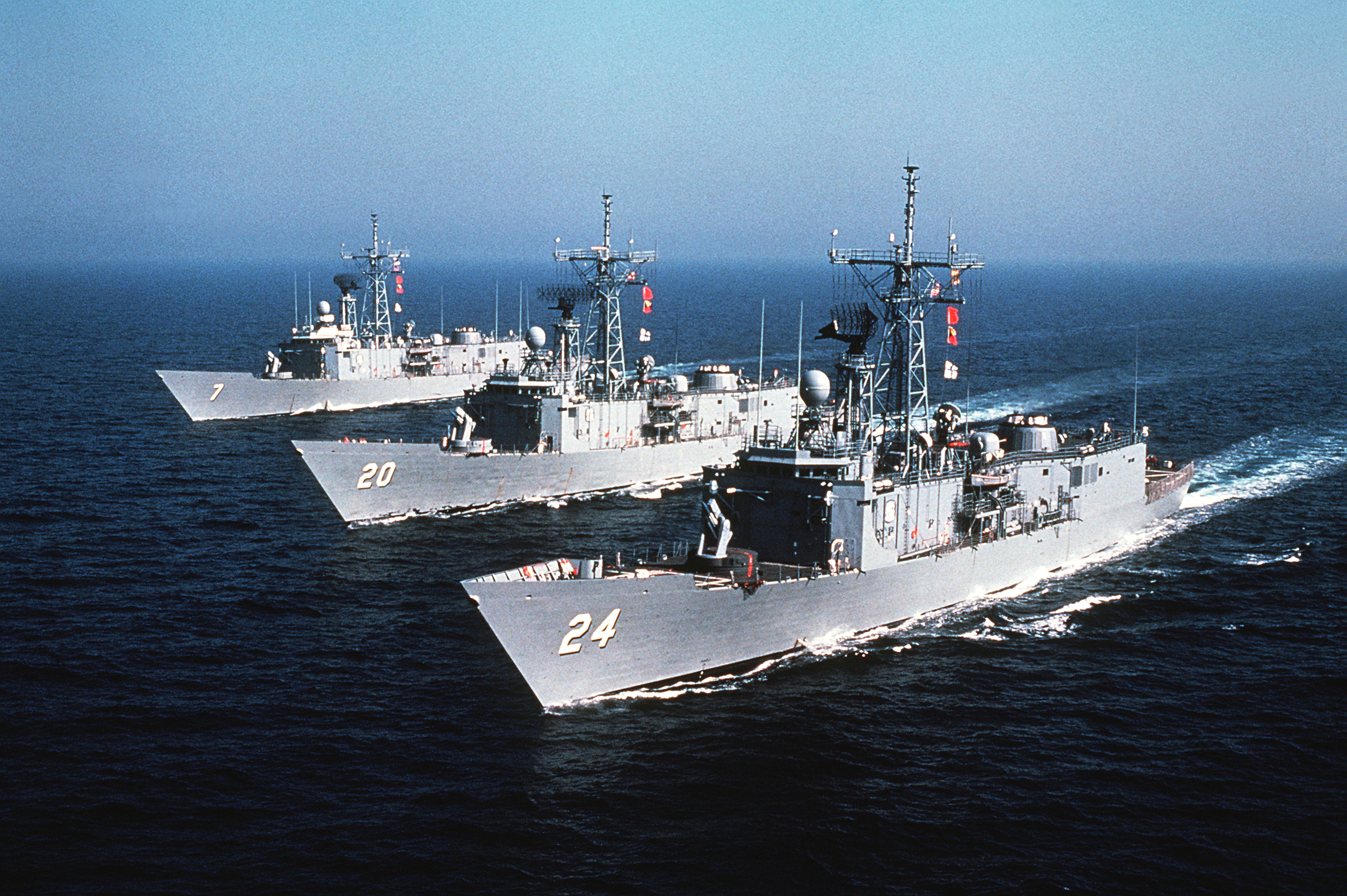
The U.S. Navy has awarded a $282.9 million contract to Huntington Ingalls Shipbuilding to develop and build the FFX frigate, aiming to replace aging Oliver Hazard Perry-class vessels that have been retired without successors. The decision reflects a pivot away from the service’s troubled Littoral Combat Ship program and represents a pragmatic attempt to field an affordable, producible escort vessel.
The FFX is based on the Legend-class hull form, a Coast Guard cutter design that Huntington Ingalls already manufactures. This approach prioritizes operational availability over technological innovation. The ship is expected to displace approximately 4,600 long tons and will carry a modest sensor suite derived from the Independence-class LCS, along with limited air defense and anti-ship capability.
The Navy has long struggled to balance capability with cost. The original Oliver Hazard Perry frigate cost approximately $1.02 billion per ship in today’s dollars when adjusted for inflation from its 1978 estimate. The service attempted to replace it with the LCS program, which proved far more expensive and controversial than anticipated. The Constellation-class frigate, designed as a more heavily armed alternative, has likewise faced cost overruns, with the second ship estimated to cost over $1 billion.
Naval planners argue the FFX addresses a genuine gap: the Navy has insufficient numbers of small surface combatants to handle routine escort, anti-submarine warfare, and patrol missions without overtaxing larger guided-missile destroyers. A source familiar with naval procurement decisions noted that “the Navy doesn’t need sonar pickets that can’t defend themselves” but also cannot afford to deploy expensive destroyers for every operation.
Critics contend the FFX represents another compromise that sacrifices capability for cost. The ship will have no sonar suite and minimal air defense systems, limiting its utility in contested waters. One observer argued the service remains trapped in a cycle of designing ships it cannot afford to build properly, then building cheaper ships that cannot do what is required of them.
Huntington Ingalls’ selection reflects confidence in the company’s ability to execute: the firm has produced Coast Guard cutters without significant delays or cost overruns. The modular design allows for incremental improvements across production blocks, with earlier ships potentially transferable to the Coast Guard as more capable variants enter service.
The contract signals the Navy’s acceptance that budget constraints will define force structure decisions for the foreseeable future.
← Back to home