Drone swarms become permanent feature of modern warfare
Unmanned aircraft are reshaping military strategy, with nightly coordinated strikes demonstrating that large-scale drone operations are now standard doctrine rather than experimental tactics.
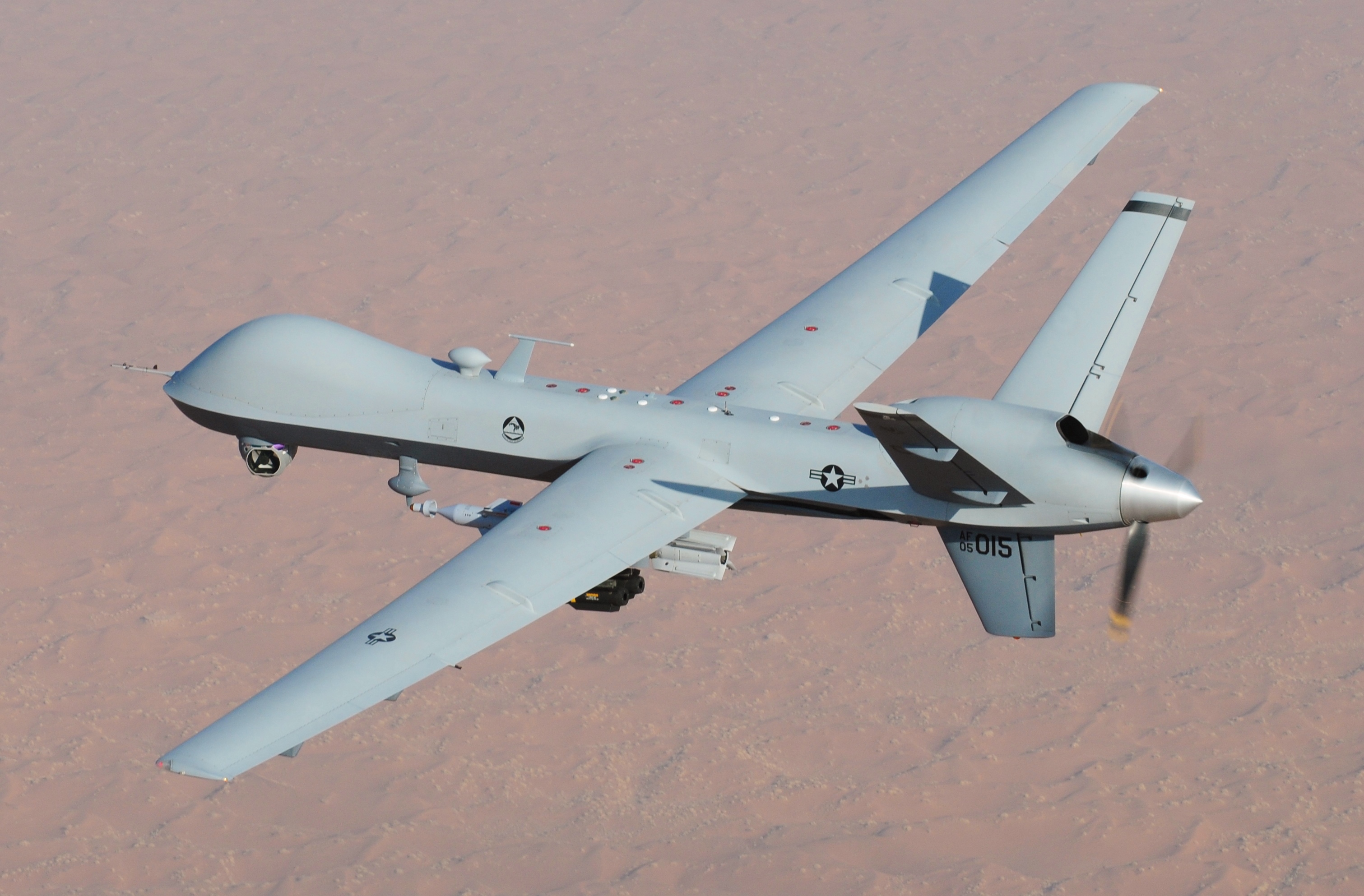
Drone swarms have evolved from novelty weapons into a permanent feature of modern conflict, with coordinated attacks involving dozens or hundreds of unmanned aircraft now routine on multiple fronts.
The shift represents a fundamental change in military operations. Where drone strikes were once isolated incidents, they are now deployed as sustained campaigns capable of penetrating hardened targets. Recent strikes have demonstrated that modern drones can breach concrete shelters over 60 centimeters thick reinforced with additional soil, using warheads carrying up to 105 kilograms of explosives.
The tactical advantages are substantial. Coordinated swarm attacks overwhelm air defenses by spreading targets across multiple locations simultaneously, making it impossible for defensive systems to respond effectively to all threats. When multiple aircraft or installations are hit in a single operation, the strategic impact far exceeds isolated strikes. One observer noted that “big flashy attacks get headlines and shut people up,” highlighting the psychological and strategic value of mass simultaneous strikes.
The economics of drone warfare also favor the strategy. Nations with industrial capacity and international financial backing can sustain large-scale drone production campaigns. European funding for drone manufacturing has been structured as joint ventures, effectively creating a subsidized domestic arms production ecosystem. This allows sustained operations that degrade enemy capabilities faster than they can be replaced.
Defense against swarms remains imperfect. Interception rates vary dramatically depending on drone type and target location. Small interceptor drones achieve success rates exceeding 90 percent against certain targets, while other platforms, particularly ballistic weapons, present much harder defensive problems. The sheer volume of coordinated strikes often ensures some penetrate defenses.
The permanence of drone swarms reflects deeper economic and industrial realities. Nations with access to reliable supply chains, financial reserves, and international support can sustain losses and maintain production. Those dependent on limited reserves or unable to acquire replacements at scale face degradation over time.
Experts suggest drone swarms will define military doctrine for the foreseeable future. The technology is no longer experimental, it is operational, scalable, and proven effective against defended targets.
← Back to home