Britain's 1939 Polish Guarantee and the Road to War
Historians continue to debate whether Britain's defensive alliance with Poland was a principled stand or a deliberate escalation that made conflict with Germany inevitable.
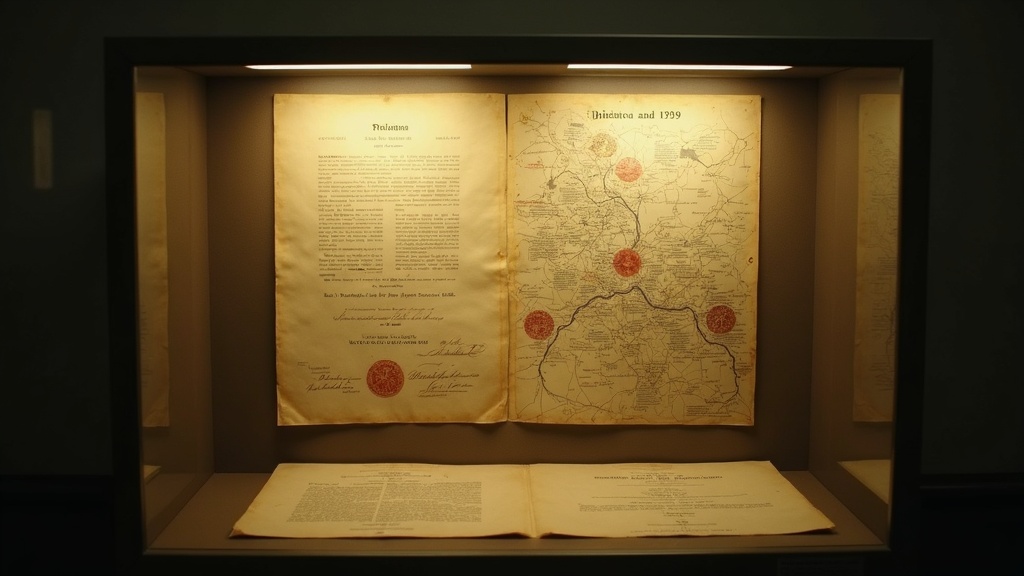
Britain’s September 1939 declaration of war on Germany, triggered by the German invasion of Poland, remains one of history’s most contested decisions. The immediate cause was a defensive alliance Britain had signed with Poland months earlier, but the broader strategic rationale continues to generate fierce historical debate.
Britain had pledged to come to Poland’s aid if invaded by Germany. When German forces crossed the Polish border on September 1, 1939, the obligation was clear, and Britain followed through within days. Yet historians disagree sharply on whether this represented Britain honoring a solemn commitment or walking into a trap of its own making.
Critics of British policy argue that the alliance was strategically incoherent. Germany had made peaceful overtures throughout the 1930s, they contend, and posed no direct threat to British interests. The guarantee, they suggest, was less about protecting Polish independence than about preventing German hegemony in Europe. Some argue that Britain could have negotiated a settlement over Danzig, the immediate flashpoint, and avoided a catastrophic war.
Defenders of British decision-making counter that the alliance was explicit and binding. Britain was not obligated to intervene in every German dispute, only to honor its commitment if Poland was attacked. The alternative, they argue, was allowing Germany to establish unchecked dominance over the continent. From this perspective, Churchill and other hawks correctly identified a fundamental threat to the European balance of power.
A third tension haunts the debate: Poland’s postwar fate. Britain declared war ostensibly to preserve Polish independence, yet Poland ended the war under Soviet domination. This apparent contradiction fuels arguments that Britain’s stated war aims were never genuinely about Polish freedom, but rather about containing German power at any cost.
What remains uncontested is that the 1939 decision unleashed six years of total war that killed tens of millions. Whether that outcome justified the initial commitment, or whether different choices in 1939 might have altered the catastrophe’s course, remains deeply contested among historians and strategists.
← Back to home