Norse Terminology for Dark-Skinned People Gets Fresh Scholarly Scrutiny
Historians debate the origins and meaning of Old Norse terms like 'blámaðr' and whether medieval sources can settle modern religious claims about inclusive paganism.
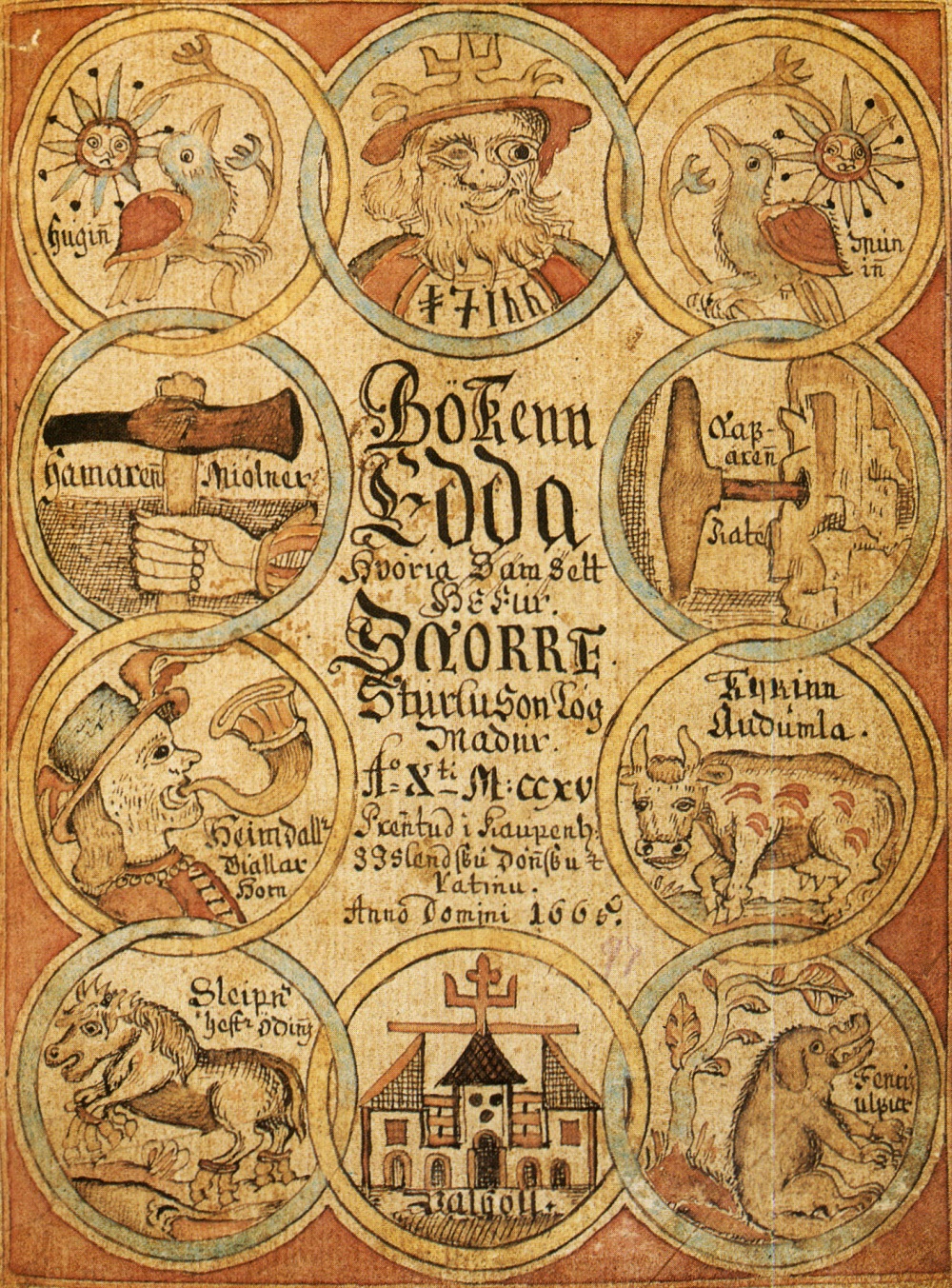
Scholars are revisiting the etymology and historical context of Old Norse terminology for dark-skinned people, particularly the word “blámaðr” (blue man), amid broader disputes over how ancient pagan religions treated outsiders.
The term appears in medieval Norse texts including the Ynglinga saga, part of the 13th-century Heimskringla collection, and persisted into early modern usage. The word originally referred to the color spectrum as understood in Old Norse, where blue occupied a different semantic range than in modern English. Bláland, the corresponding geographical term for Africa or North Africa, appears in multiple historical sources including the 1541 Gustav Vasa Bible. A Stockholm city district, Kvarteret Blåmannen, still bears the name today.
However, the scholarly consensus remains fragmented on what these terms reveal about Norse attitudes toward non-European peoples. One line of argument holds that the terminology was largely descriptive rather than dehumanizing, pointing to Norse creation myths that posit universal divine ancestry. A source familiar with the debate notes: “The Prose Edda states directly that Odin is the allfather of all of humanity. There’s no indication whatsoever that he’s the god of a specific people or place.”
Others contest this reading as anachronistic. Scholars emphasize that the 13th-century Prose Edda represents a Christian-era attempt to preserve pagan traditions, not necessarily a faithful record of pre-Christian Norse beliefs. One observer argued the text “does not reflect the pre-Christian worldview” and called modern inclusive readings “a LARP that Odin was this universal progenitor.”
The debate carries contemporary stakes. Modern pagan practitioners have increasingly argued that Norse mythology contains no basis for exclusionary theology, citing both textual evidence and comparative Indo-European religion studies. Critics counter that such arguments selectively interpret medieval sources to match modern sensibilities.
The discussion also highlights deeper uncertainties in medieval Norse studies. Scholars acknowledge significant overlap in terminology used for various supernatural beings, with etymologist Lotte Motz’s attempts to categorize jötunn, troll, þurs, and risi drawing both support and skepticism from her peers. These definitional gaps complicate efforts to reconstruct Norse attitudes toward human variation.
← Back to home