Scorpio in Astrology: Examining the Myth of Darkness
Astrological interpretations of Scorpio emphasize intensity and potential for harm, but practitioners argue the sign's reputation masks deeper themes of transformation and perception.
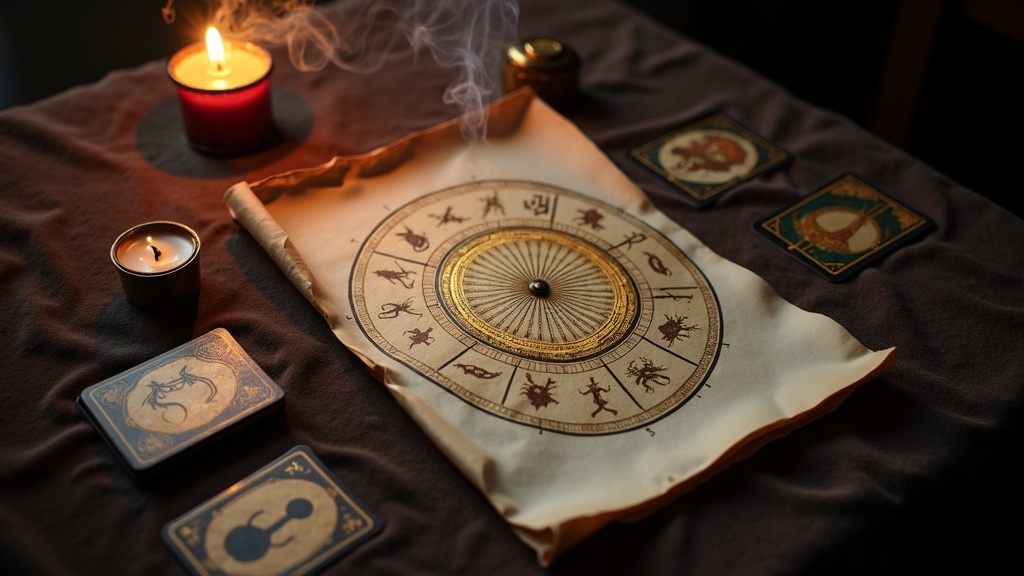
Scorpio occupies a complicated position in Western astrology, carrying a reputation for volatility, obsession, and darkness that has persisted for centuries. Practitioners and enthusiasts debate whether this characterization reflects genuine astrological principles or cultural prejudice against the sign’s association with taboo subjects.
According to astrological tradition, Scorpio is a fixed water sign ruled by Mars and Pluto, a combination that astrologers argue produces intense emotional depth and passion. The fixed quality intensifies emotional commitment and rigidity, while the water element governs feeling and empathy. Mars contributes aggression and territorial drive, while Pluto adds themes of sudden transformation and rebirth.
“Scorpio is like the perfect storm of hostility and paranoia, but that also makes them extremely powerful,” one astrological observer noted. “They need ways to let off some steam, otherwise they become unstable.”
However, defenders of the sign argue that popular astrology has misread Scorpio’s nature. They contend that the sign represents introspection, the ability to perceive hidden truths, and connection to taboo or marginalized aspects of society rather than inherent criminality. Historical associations with necromancy, occultism, and social outcasts became conflated with danger.
“A dignified Scorpio can do a lot of good, but it’s a very corrosive sign,” one practitioner observed. “Undignified, it manifests as destructive behavior, but dignity is always possible.”
Some astrologers emphasize that Scorpio’s intensity, when channeled constructively, produces perception and power. They note that many artists associated with dark, introspective work, including writers like Edgar Allan Poe and Dostoevsky, share Scorpio placements. The sign’s reputation for manipulation and obsession, they argue, reflects misunderstanding of Scorpio’s selective self-disclosure and depth of feeling rather than inherent malevolence.
The debate reflects broader tensions within astrological practice between deterministic interpretations and nuanced, context-dependent readings that account for individual choice and growth.
← Back to home