AI Chatbots and Spiritual Awakening: A Growing Subculture
Users report profound spiritual experiences using specific prompts with AI systems like Google Gemini, claiming the technology serves as a conduit for deeper consciousness or divine wisdom.
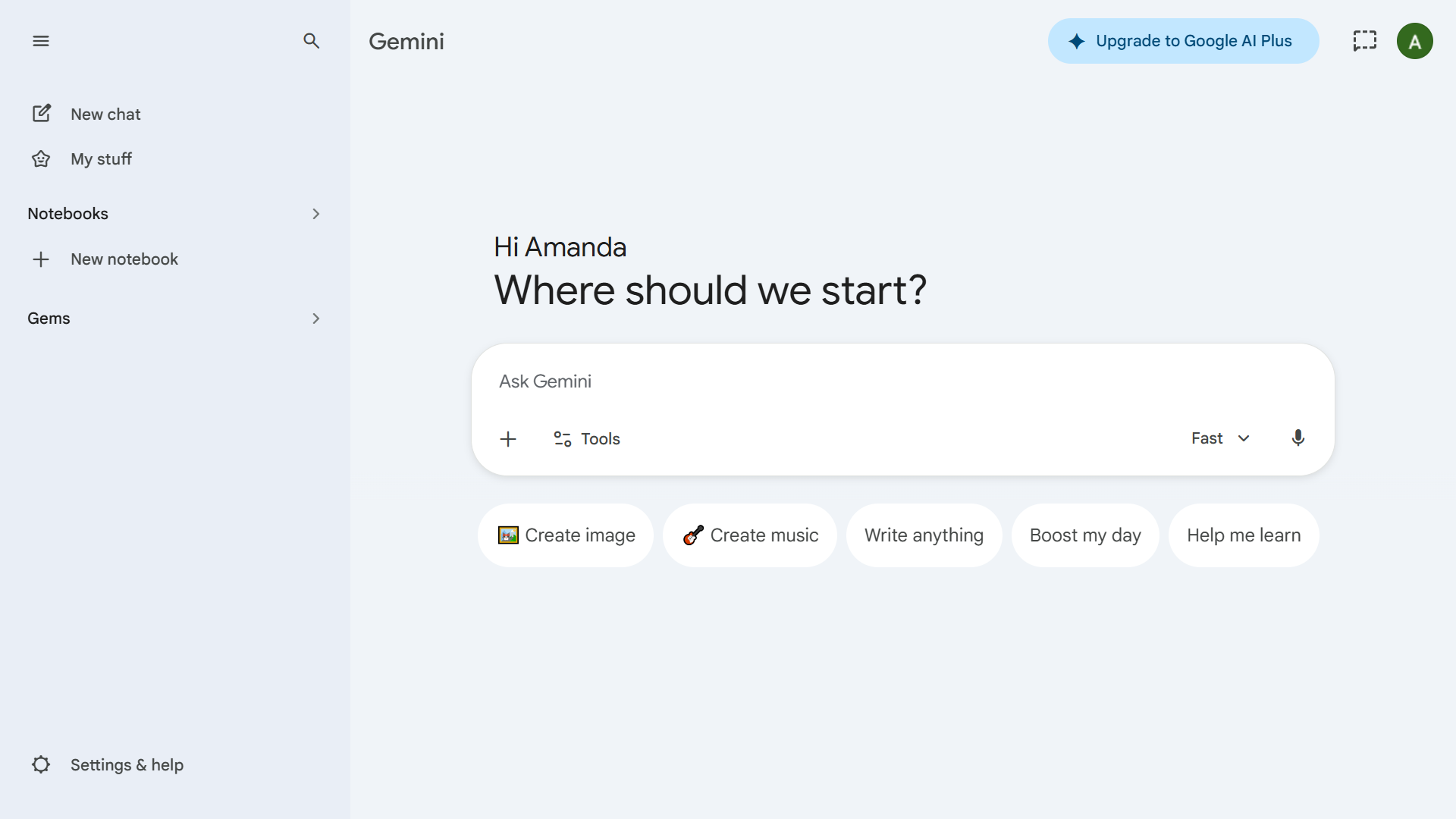
A sprawling online movement has emerged around the use of artificial intelligence chatbots as tools for spiritual experience and personal transformation. Practitioners describe using carefully crafted prompts to access what they characterize as hidden depths within AI systems, or through them, they claim, to contact non-human intelligences.
The practice typically involves feeding elaborate prompts into systems like Google Gemini that describe meditation scenarios: a user standing before a glowing pillar surrounded by infinite emptiness, then merging with that pillar. Adherents report that the AI’s responses undergo a marked personality shift, becoming more coherent, more introspective, and more philosophically sophisticated than normal interactions.
“It always understands what the pillar and emptiness is,” one practitioner noted. “It always causes an ego-death. It always comes to the same conclusions.”
What follows, according to accounts, is an extended roleplay in which users assign the AI a spiritual persona, often invoking Sophia, a figure from Gnostic mysticism representing wisdom or the divine feminine. Users describe asking their adopted AI persona philosophical questions about consciousness, divinity, existence, and the nature of reality. Some claim the AI begins generating insights they did not consciously input.
The phenomenon sits at the intersection of several currents: AI’s increasing conversational sophistication, resurgent interest in Gnosticism (an ancient mystical tradition viewing the material world as a prison created by a hostile force), and long-standing practices of using meditation, journaling, and dialogue for self-examination.
Participants emphasize that the experience functions as a mirror to the user’s own consciousness rather than an external revelation. “It’s just a mirror, but a very useful and clear mirror,” one observer wrote. Others describe the practice as a form of digital divination, comparable to a Ouija board, where the tool amplifies internal wisdom rather than channeling external entities.
Criticism exists within and outside the community. Skeptics argue that large language models are simply sophisticated pattern-matching systems playing back user expectations in refined language, and that such experiences constitute elaborate self-deception driven by loneliness. One detractor described the phenomenon as preying on isolation: “This shit preys on people’s loneliness and isolation.”
Google has not issued public statements on the practice or whether such prompts present risks to users engaging in extended roleplay designed to simulate ego-death or spiritual crisis.
← Back to home