Property Tax Debate Intensifies as Homeowners Weigh Financial Burden
Frustration with property taxes is mounting among homeowners, who argue the annual levies, combined with maintenance costs, make home ownership a poor financial investment compared to renting and investing in equities.
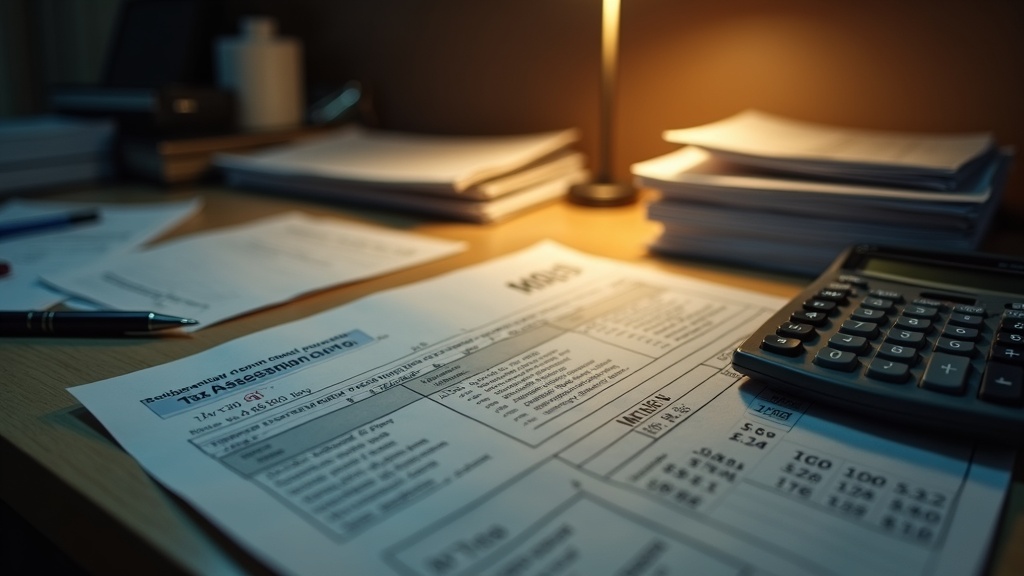
Property taxes have become a flashpoint in a broader conversation about the true cost of homeownership, with financial observers increasingly questioning whether buying a house remains a sound investment strategy.
The criticism centers on the compounding expense problem. Beyond the mortgage itself, homeowners face recurring property taxes that can reach thousands annually, coupled with unpredictable maintenance costs. One homeowner detailed expenses including a $1,000 lawn program, $17,000 HVAC replacement, and $2,000 in code-mandated electrician fees, all of which drain investment portfolios.
Proponents of renting and investing argue the math favors liquidity. “A luxury apartment for under $2k a month plus a focused portfolio strategy beats the trap of perpetual property obligations,” according to accounts familiar with the debate. The pattern some observers note: successful individuals often downsize in retirement, accepting lowball offers after decades of improvements and maintenance, recovering little of their invested effort.
The conversation has extended to policy proposals. Some argue property taxes should only apply after retirement age, penalizing elderly homeowners rather than productive-aged workers. Others contend property taxes are the most defensible tax form and should increase for multi-property owners. A minority position holds that consumption and tariff-based taxation would be fairer, as people could theoretically opt out by not purchasing; critics counter that necessary expenses cannot be avoided regardless of tax structure.
Recent political developments have intensified the debate. Ohio is reportedly considering a ballot measure to eliminate property taxes entirely, though observers worry that removing the incentive for property maintenance could create widespread blight. Some mention a YouTube channel documenting property tax cases that allegedly uncovered widespread fraud in how assessments are conducted.
The disconnect is stark: renters pay no property taxes but build no equity; homeowners build equity but face indefinite taxation on assets already purchased. As one account noted, “It’s almost as humiliating as being a rentoid” to face surprise tax increases of hundreds or thousands of dollars annually.
The tension reflects a larger question about what asset ownership actually means when governments can levy ongoing charges on purchased property.
← Back to home