GM's LS6 Engine Gets Unexpected Power Boost from Veteran Engineer
General Motors' latest LS6 engine design overcame development setbacks with unconventional intake port modifications that dramatically increased horsepower output.
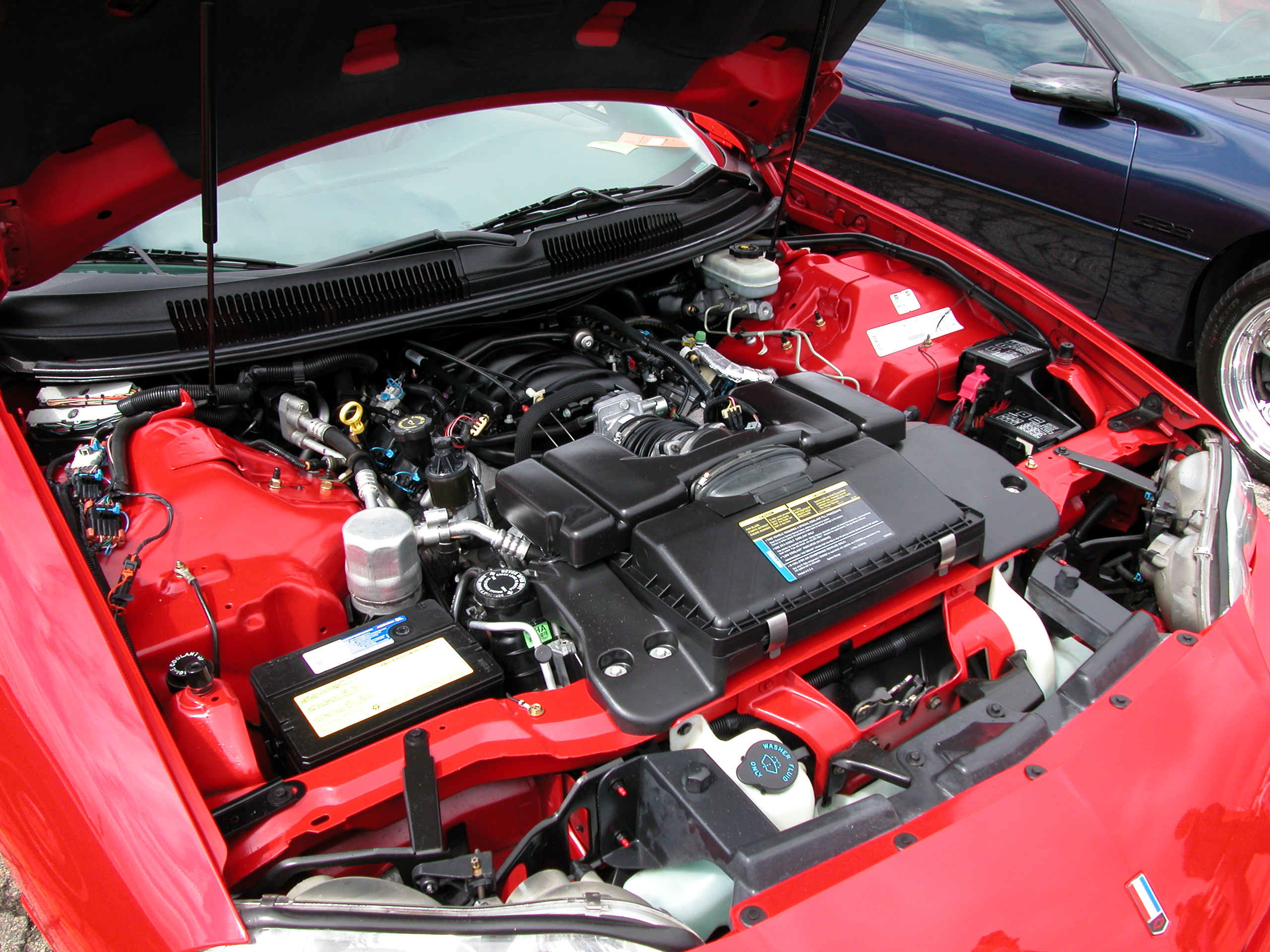
General Motors encountered unexpected challenges while developing its new LS6 engine, with advanced CAD software and design parameters failing to deliver target horsepower figures during the engineering phase.
The breakthrough came from an unlikely source: a veteran engineer from GM’s racing division who identified a critical mismatch in the cylinder head design. The problem lay in disproportionate valve sizing relative to the intake port dimensions. The intake port geometry could theoretically support 750 horsepower, but the valve configuration was designed only for approximately 500 horsepower engines.
With access to a prototype head, the engineer applied hands-on modifications using epoxy and precision reshaping, reducing valve size by 20 percent to optimize the flow characteristics. The adjustment yielded substantial power gains immediately. Subsequently, the engineer designed a tunnel ram intake manifold configuration that delivered even more dramatic performance improvements.
GM incorporated both modifications into the final production design, marking an unusual case where traditional mechanical engineering expertise delivered results that computational approaches had not achieved.
The incident highlights a persistent tension in modern automotive development between algorithmic design optimization and experiential engineering knowledge. While CAD software and simulation have become essential tools for rapid prototyping and validation, complex fluid dynamics problems in engine design sometimes resist purely computational solutions, particularly when port geometry and valve flow interaction must be balanced against manufacturing constraints and packaging limitations.
Pushrod engine architecture, the platform underlying the LS6, has experienced renewed attention in high-performance applications. The design allows for substantial valve sizes and aggressive port shaping within relatively compact cylinder head packaging, creating opportunities for the kind of iterative refinement that proved successful in this case.
The LS6 joins a lineage of small-block V8 designs that have consistently delivered strong performance across displacement, achieving competitive power-to-displacement ratios with production-grade fuel and conventional mechanical systems.
← Back to home