Monster: Naoki Urasawa's Medical Thriller Divides Readers on Pacing and Character
Urasawa's acclaimed manga explores class, morality, and medical ethics through protagonist Tenma, but some readers find its messaging heavy-handed and its pacing bloated.
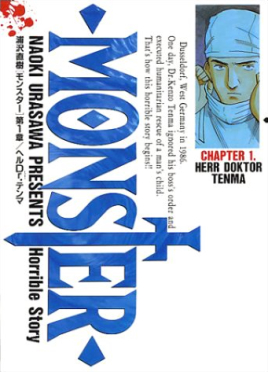
Naoki Urasawa’s Monster, a weekly serialized medical thriller spanning Central and Eastern Europe, continues to generate debate among readers over its execution and thematic weight, even decades after its initial publication.
The manga follows Dr. Kenzo Tenma, a talented but foreign surgeon working in Germany who faces a career-defining crisis when forced to choose between operating on a high-profile patient or a critically injured child. His decision to save the boy’s life sets off a chain of consequences that drives the narrative forward.
The work has earned widespread critical acclaim for its character work and thematic complexity. Observers note that Tenma’s status as an outsider and member of a modest background class creates meaningful tension. “His being foreign also makes it easier to cast suspicion on him later in the story,” according to one assessment. The manga explores competing worldviews between social classes, with the humble-minded Tenma valuing all life equally against an entitled gentry that views itself as inherently superior.
Yet the manga’s approach to its themes divides its audience. Some readers find Urasawa’s messaging overly blunt. “I just hate getting beat over the head this hard with stuff,” one account notes, though defenders argue that such directness is characteristic of Japanese storytelling: “You can pick Japanese writing out of a lineup pretty fucking easy when you get the hang of it.”
Several observers also critique the work’s length. “It goes on way too long than it needs to be,” one reader suggests. “If it were like 40 chapters shorter it would be great and it would still manage to get the point across.” The anime adaptation, which aired after the manga’s serialization ended, drew mixed reactions for its pacing as well, with some finding it bogged down by repetition after the first ten episodes.
Despite these criticisms, the manga’s character work remains a point of consensus. Readers praise the expressiveness of Urasawa’s art and the charisma of his cast. One longtime fan noted a shift in perspective: “I used to find Tenma so unrelatable… I think it’s a bit soothing to realize I’ve always been like him.”
Monster remains essential reading for manga enthusiasts, though its considerable length and heavy thematic touch demand patience from newcomers.
← Back to home