Cyberpunk Novel Snow Crash Divides Readers Nearly 30 Years After Publication
Neal Stephenson's 1992 debut continues to spark debate over whether its prescient concepts outweigh narrative inconsistencies that critics say undermine its worldbuilding.
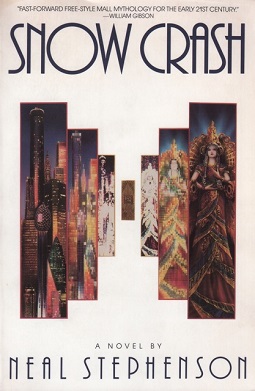
Neal Stephenson’s Snow Crash, published in 1992, remains one of the most discussed and contested entries in the cyberpunk genre, with readers sharply divided over whether the novel’s innovative ideas compensate for what some view as tonal and structural problems.
The book, which introduced concepts like the metaverse and digital avatars to mainstream pop culture audiences, is credited with inspiring real-world technology and appearing in everything from Google Earth to gaming mechanics. For many readers, its cultural impact is undeniable. “There was basically nothing like it when it came out in 1992,” one account noted. “Pop culture cyberpunk. Razorgirls from Neuromancer wasn’t something people could see happen realistically, but couriers and the metaverse were.”
Yet critical reception reveals substantial reservations. Several readers have criticized the novel for prioritizing concept over craft, comparing its narrative structure unfavorably to the grittier worldbuilding of William Gibson’s seminal cyberpunk work Neuromancer. “It read much more like a goofy shonen than a believable cyberpunk world,” one reader wrote, referencing the anime action genre.
The debate extends to Stephenson’s stylistic choices. The novel employs playful character naming conventions (protagonist Hiro Protagonist) and coined terminology that felt revolutionary at publication but has aged into the literary landscape. The reception of such choices appears dependent on when readers encounter the work. “If you get it or not depends on when you read it,” one observer noted. “In post-smartphone society, stuff that’s groundbreaking and revolutionary is just well, that’s how it’s supposed to be, right?”
Some readers describe narrative moments as tonally inconsistent with the cyberpunk framework. “The fights seen in the cornfield?” one critic wrote. “If you told me I was reading a action-comedy synopsis I’d have believed you.”
Comparisons to other Stephenson works highlight the divide. Cryptonomicon and Zodiac have found defenders who argue those novels execute their concepts more effectively, though Snow Crash retains its position as the author’s most culturally resonant work.
The novel’s enduring visibility suggests it will continue generating discussion among both cyberpunk enthusiasts and newcomers encountering 1990s-era futurism for the first time.
← Back to home