My Hero Academia's Narrative Collapse: How a Promising Shonen Lost the Plot
Fans of the long-running manga cite authorial indecision and abandoned storylines as the series limps toward its conclusion.
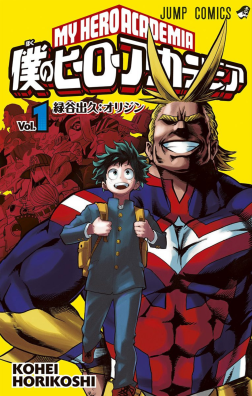
My Hero Academia, once hailed as a fresh entry in the shonen genre, has increasingly drawn criticism for narrative mismanagement and abandoned character arcs as creator Kohei Horikoshi shepherds the story toward its end.
The complaints center on a pattern of introduced plot threads that vanish without resolution. The Liberation Army arc, which promised to develop the villain faction into something beyond the original “Sinister Six” concept, collapsed into irrelevance. Major villain Geten received a face reveal suggesting physical impairment but never developed a meaningful relationship with fellow villain Dabi, despite hints of setup. The Nomu subplot, particularly revelations about a nomufied childhood friend, introduced personal stakes for the protagonist and his rival that the narrative never capitalized on.
Other discarded elements pile up: Eri’s power to erase quirks introduced via newly-created bullets, Mirio’s dramatic powerlessness, and a central romance arc that sources describe as repeatedly teased and then sabotaged. “Hori has an idea. It’s a romance. He teases it. And then sets it on fire because he doesn’t know what to do with it,” one observer noted.
The final arc compounds these issues by introducing numerous secondary characters while simultaneously rushing toward a conclusion, creating a sense of stalling rather than momentum. Decisions made in earlier chapters, such as All For One’s original desire to groom a successor versus later retcons changing his motivations, suggest inconsistent long-term planning.
Even universally praised moments like the Deku versus Gentle arc and the My Villain Academia storyline exist in tension with what many see as the series’ fundamental structural problems. High-concept elements introduced as major plot drivers vanish into obscurity, leaving fans to piece together what might have been.
Whether these problems stem from editorial pressure, exhaustion, or creative indecision remains unclear. What’s evident is that a series that built considerable goodwill has spent its endgame burning through that capital with narrative choices that feel reactive rather than purposeful.
← Back to home